The highest ROI of a cycling leadership retreat is simple: your team comes back better at working together when it matters most.
Quick answer
- The real ROI of a cycling leadership retreat isn't the kilometres ridden — it's a leadership team that makes better decisions under pressure, trusts each other more, and communicates more clearly when it matters.
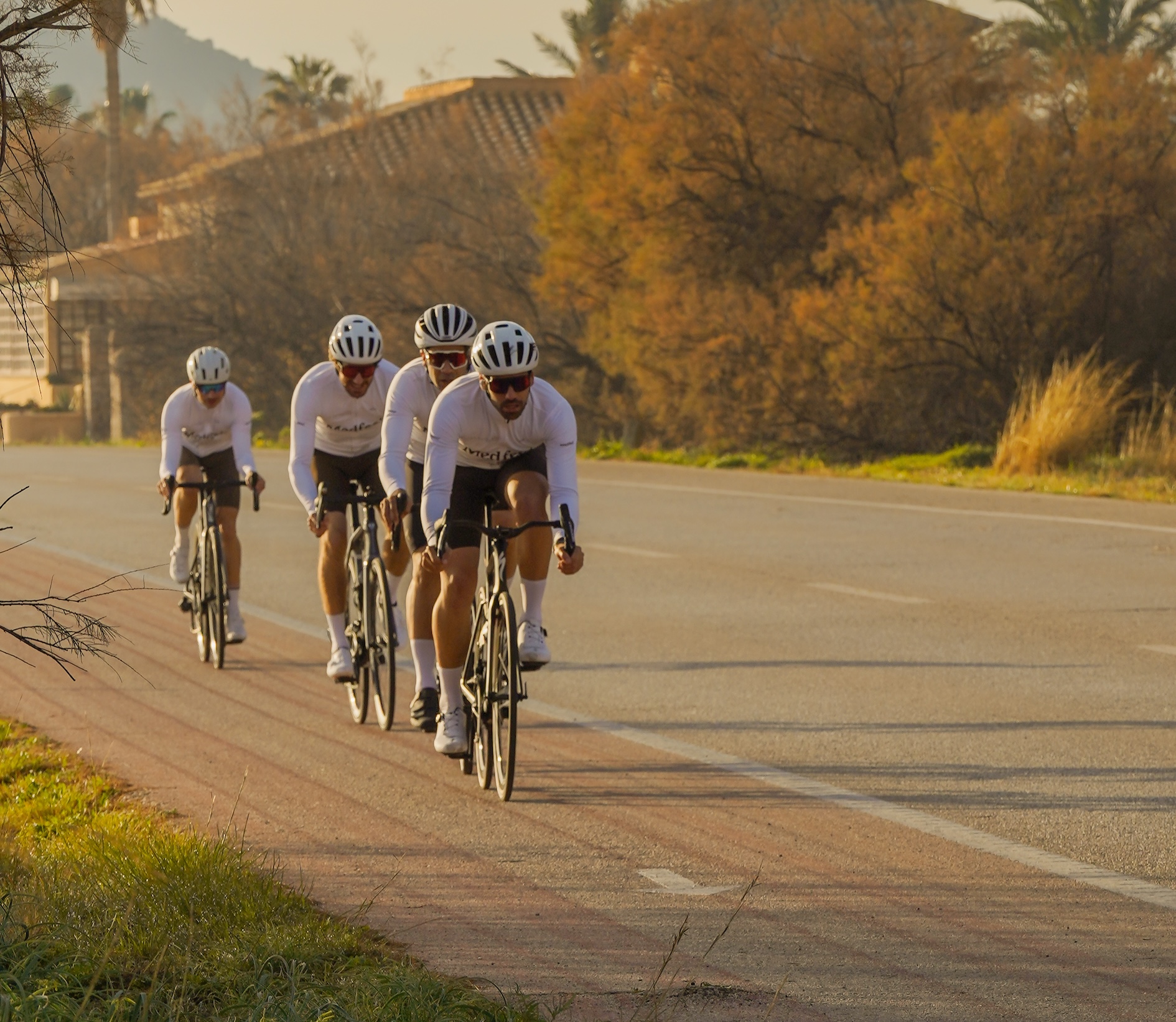
- On the road, decisions happen in real time — changing weather, a struggling rider, a split group — which reveals how people actually lead, not how they present in a meeting room.
- Job titles stop predicting who leads: the CEO might need the e-bike on the climb, and the newest team member might be the one setting the pace — that reversal shows a team its real structure.
- The goal isn't cycling performance — it's the environment: the right routes, guides, mechanical support, nutrition, recovery and hotels, built around the people, not the kilometres.
- The Real ROI: A Better-Performing Leadership Team
- 1. Better Decisions Under Pressure
- 2. Build Trust Without the Corporate Theatre
- 3. When Titles Disappear, Leadership Becomes Clearer
- 4. Learn How Your Team Handles Discomfort
- 5. Create Space for Better Thinking
- This Is Not About Cycling Performance
- Why Mallorca?
- What Comes Back to the Boardroom?
- FAQ
The Real ROI: A Better-Performing Leadership Team
The value of a cycling retreat is not the kilometres we ride. It is what happens between them.
A strong leadership team needs more than individual talent. It needs trust, communication, good judgement and the ability to stay aligned when pressure increases. A week on the bike puts those things into practice.
You quickly discover who stays calm under pressure, who takes responsibility, who communicates clearly, who supports others, who knows when to lead, who knows when to follow, who struggles when things become uncomfortable — and where the team can improve.
These are not lessons from a presentation. They happen naturally, in real situations. That is where the value comes from.
1. Better Decisions Under Pressure
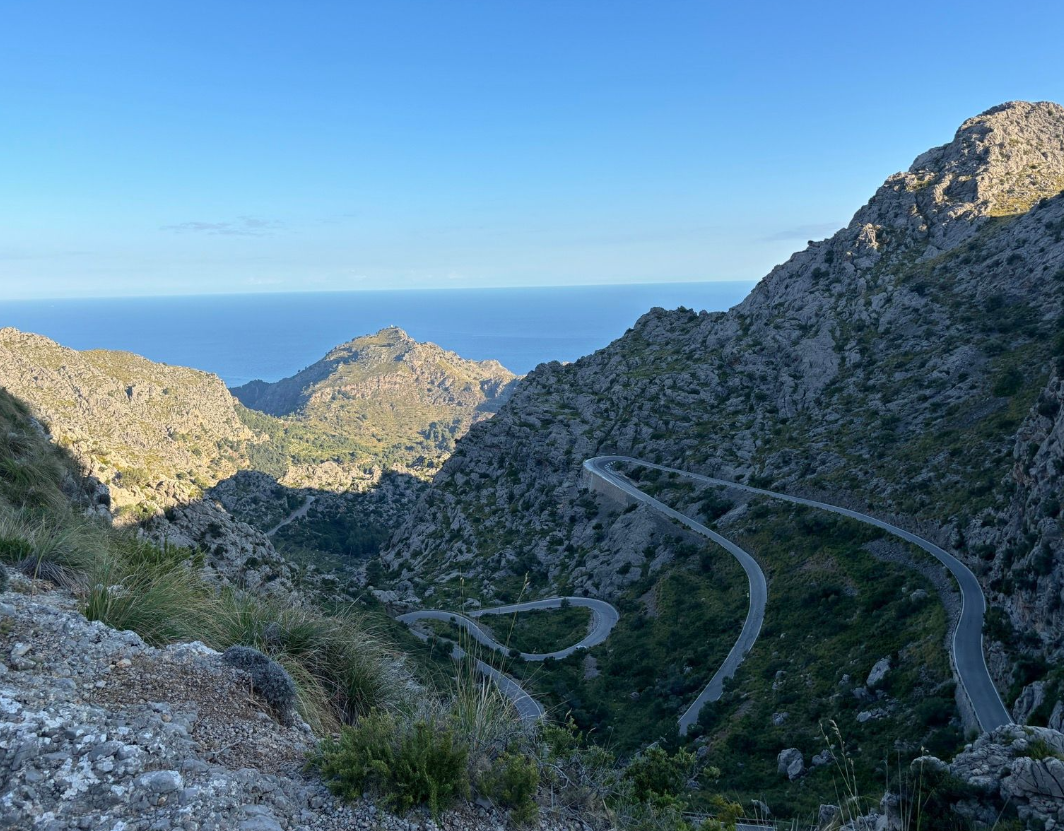
On the bike, decisions happen quickly. The weather changes. Someone is struggling. The road becomes technical. The group gets split. Do we keep going? Do we wait? Who takes responsibility?
There is no time for a 30-minute meeting. You have to communicate, decide and move. That makes cycling a powerful environment for understanding how leaders behave under pressure.
And that matters in business too. A product launch, an important client, a difficult board meeting or a crisis rarely gives you perfect information and unlimited time. The ability to stay clear and make a good decision when conditions change is a leadership advantage.
2. Build Trust Without the Corporate Theatre
Trust is difficult to create in a conference room. It is much easier to understand on the road.
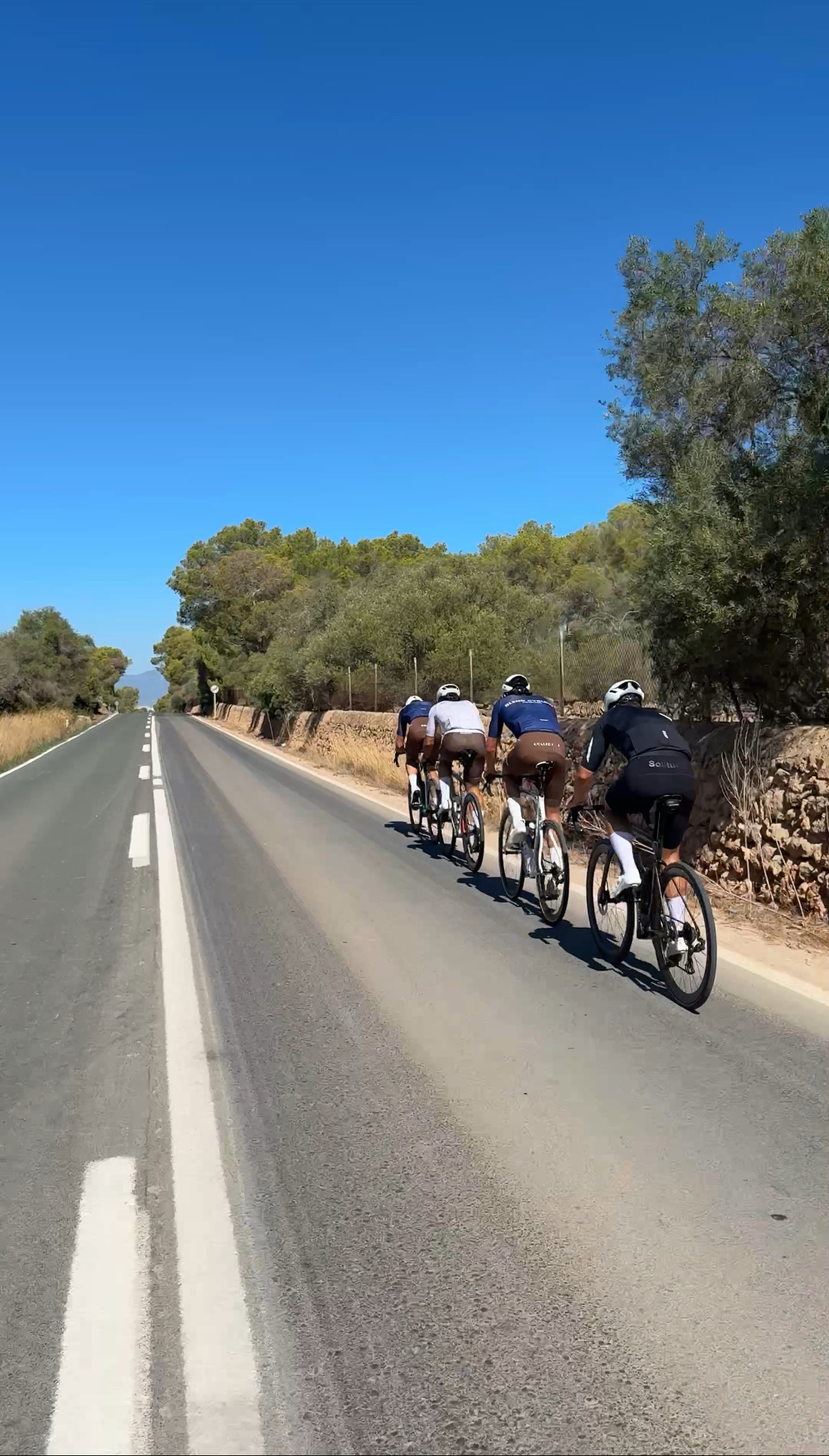
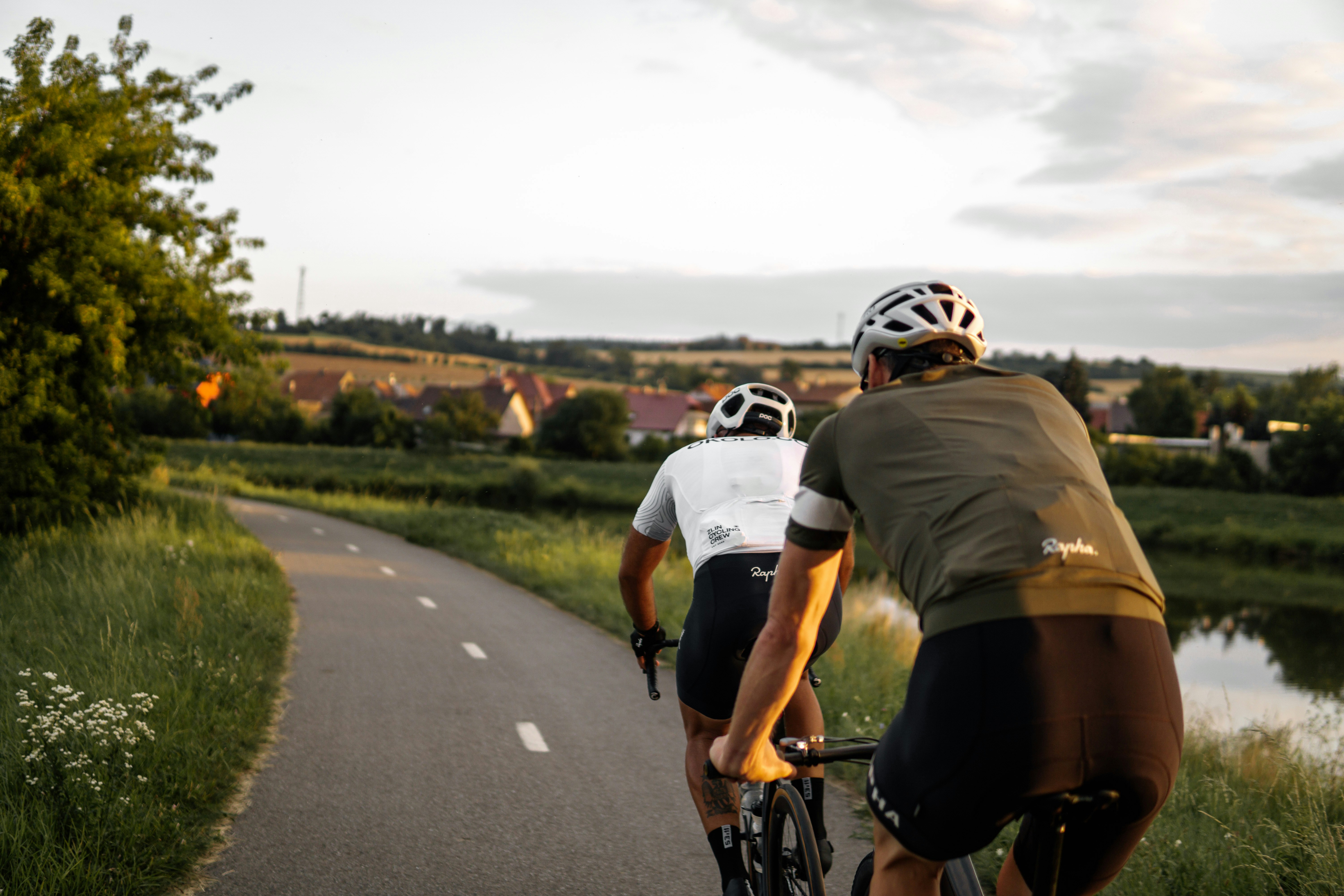
When you ride together for several hours, people naturally start looking after each other. Someone takes the wind. Someone notices a teammate is struggling. Someone changes their pace. Someone waits at the top of the climb.
Small actions start to reveal something important: Can I rely on this person? There is no corporate title in that moment. There is only the team.
And that creates a different kind of trust — one built through experience rather than exercises. When you return to the office, those experiences remain. Communication becomes easier. Feedback becomes more direct. People understand each other better.
3. When Titles Disappear, Leadership Becomes Clearer
On the road, your job title means very little. The CEO might be the strongest rider. Or the newest member of the team might be. The best climber leads the climb. The strongest descender might guide the group down. Someone else may be better at keeping everyone together.
And that is interesting. Because great leadership is not always about being at the front. Sometimes it is about knowing when someone else should be there.
A cycling week creates a simple environment where competence, judgement and behaviour become more visible than hierarchy. You start to understand your team differently. And sometimes you discover strengths you had never seen in the office.
4. Learn How Your Team Handles Discomfort
Every team eventually faces difficult moments. A missed target. A difficult quarter. A lost client. A major change. A crisis. The question is not whether discomfort will come. It is how your team responds when it does.
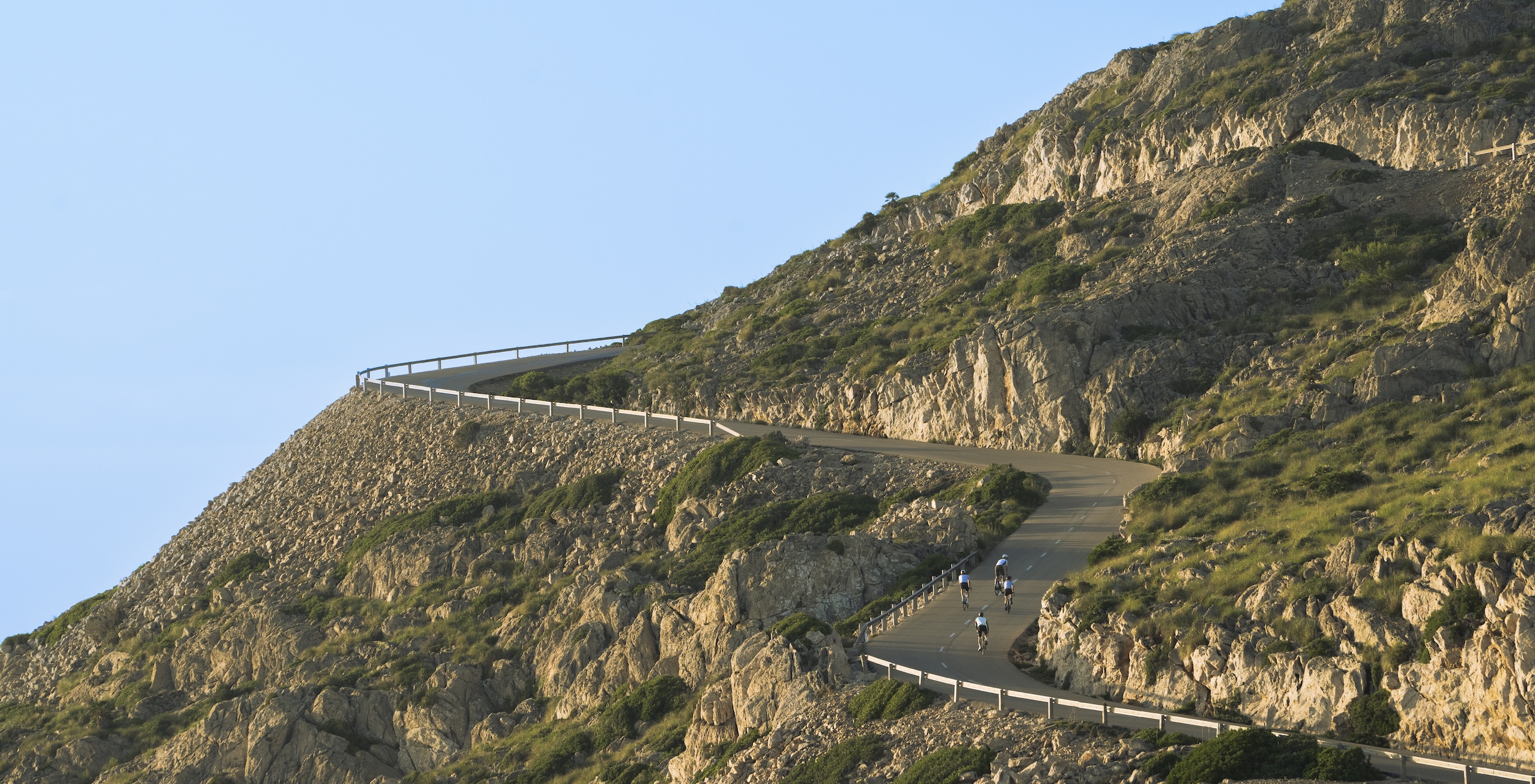
Cycling gives you a controlled way to experience this. Long climbs. Changing conditions. Fatigue. Unexpected problems. Moments when someone wants to stop.
You learn who stays positive, who communicates, who complains, who helps, who takes ownership and who keeps the team moving. The goal is not to push people until they break. It is to understand how they respond when things become uncomfortable. That insight is extremely valuable for any leadership team.
5. Create Space for Better Thinking
There is another benefit that is easy to underestimate. Distance from the office changes the quality of conversation.
No notifications. No meeting rooms. No laptops open on the table. No one checking the next presentation. Instead, you have hours on the road. You ride. You talk. You stop for coffee. You eat together. You continue.
And conversations that might never happen in the office suddenly happen naturally. A problem that felt complicated on Monday can feel much simpler after three hours on the road. A strategic question can become clearer. A difficult conversation can become easier.
Sometimes the best ideas don't come from another meeting. They come when you finally have enough space to think.
This Is Not About Cycling Performance
You don't need to be a professional cyclist. You don't even need to be the strongest person in the group. The bike is simply the environment. The real focus is the team.
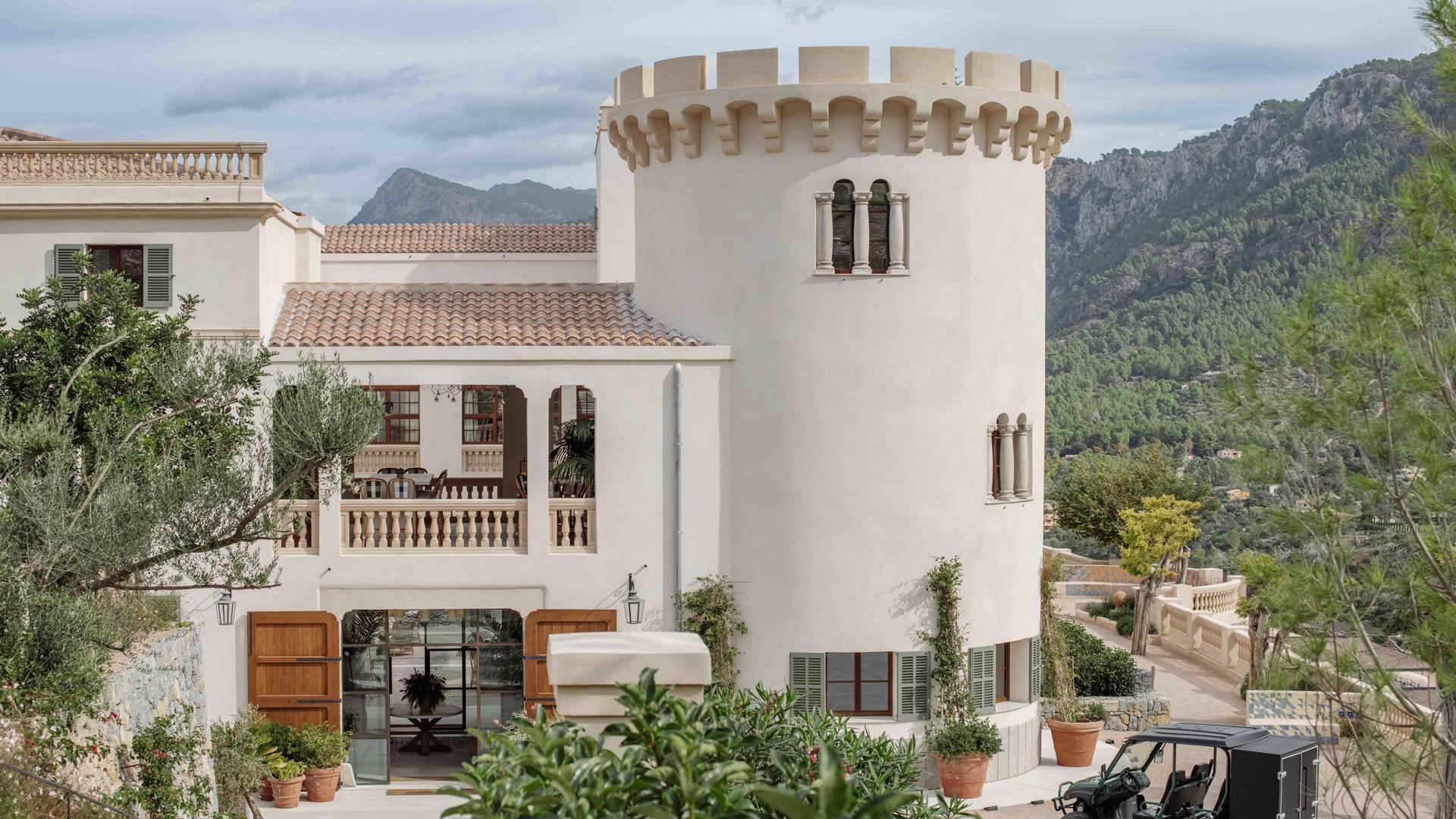
That is why the experience should be carefully designed around the people taking part: the right routes, the right level of challenge, professional guides, mechanical support, nutrition, recovery, comfortable hotels — and enough flexibility to allow the experience to develop naturally.
The objective is not to collect kilometres. The objective is to create the conditions for better leadership.
What Comes Back to the Boardroom?
You don't come back with another team-building story. You come back knowing your team better. You understand how they lead, how they communicate, how they respond under pressure, how they support each other, how they make decisions — and where they can become better.
That is the real return on investment. Not a better holiday. Not another corporate retreat. A leadership team that understands how to perform together when it matters most.
And that is why I don't see a week on the bike as an escape from the boardroom. I see it as preparation for it.
At Medfeel, we design and guide these weeks ourselves — the Signature Mallorca Bike Tour is the itinerary most leadership teams start from, and we adapt the routes, pace and hotels around the group in front of us. If Mallorca isn't the right fit for your team, we run the same kind of trip in Girona and the Dolomites too.
Frequently Asked Questions
What is a cycling leadership retreat?
A cycling leadership retreat is a multi-day trip where a leadership team rides together instead of running a conventional office-based offsite. Hours of shared effort — dealing with fatigue, changing weather and difficult climbs — surface how people actually make decisions, communicate and support each other, in a way a conference room can't replicate.
What's the actual ROI compared to a traditional offsite?
The ROI isn't the trip itself, it's what the team brings back: better decisions under pressure, more trust built through real shared experience rather than exercises, and clearer communication. Unlike a keynote or a breakout session, these are lessons a team lives through directly, which is why they tend to stick past Monday.
Do I need to be an experienced cyclist to get value from this?
No. The bike is the environment, not the objective — you don't need to be the strongest rider in the group for the retreat to work. Routes, pace, guiding and e-bike options are all built around the people taking part, not around collecting kilometres.
How is this different from typical corporate team building?
Typical team building stages situations — trust falls, ropes courses, icebreakers — that everyone recognises as an exercise. A cycling retreat doesn't stage anything: the fatigue, the weather, the split group and the difficult climb are real, so what a team learns about itself is real too.
Can Medfeel design this trip for my leadership team?
Yes. Medfeel's co-founders guide these trips personally and build each itinerary — routes, pace, hotels, guiding and support — around the specific group taking part, in Mallorca, Girona/Costa Brava or the Dolomites.