
Leadership is a long climb. The best cyclists — and the best CEOs — get to the top the same way: one honest effort at a time.
Quick answer
- Resilience: grinding up a sustained climb like Puig Major builds the same "one more pedal stroke" instinct that carries leaders through a bad quarter.
- Strategic thinking: reading a descent like Sa Calobra's hairpins in real time uses the same judgment as reading a market that's shifting faster than the plan.
- Teamwork: riding in a grupeta, rotating who takes the wind, is delegation you can feel in your legs.
- Mental clarity: a few hours with no phone and a fixed cadence resets focus more reliably than most meetings do.
- Well-being: the cardiovascular base cycling builds is what lets a CEO show up at full capacity on the days that actually matter.
- 1. Resilience for Long-Term Success
- 2. Strategic Thinking
- 3. Teamwork
- 4. Mental Clarity and Stress Management
- 5. Well-being for Peak Performance
1. Resilience for Long-Term Success
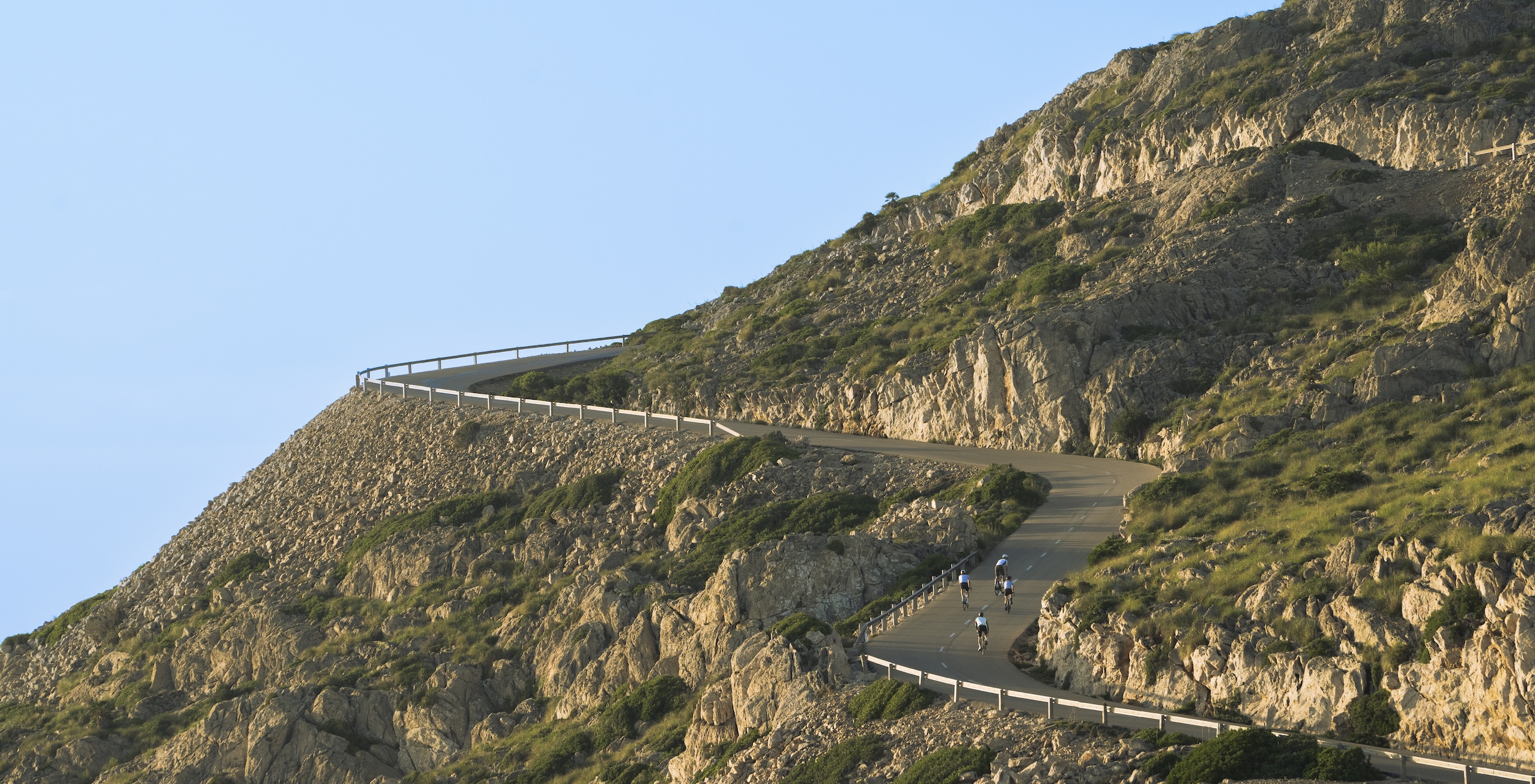
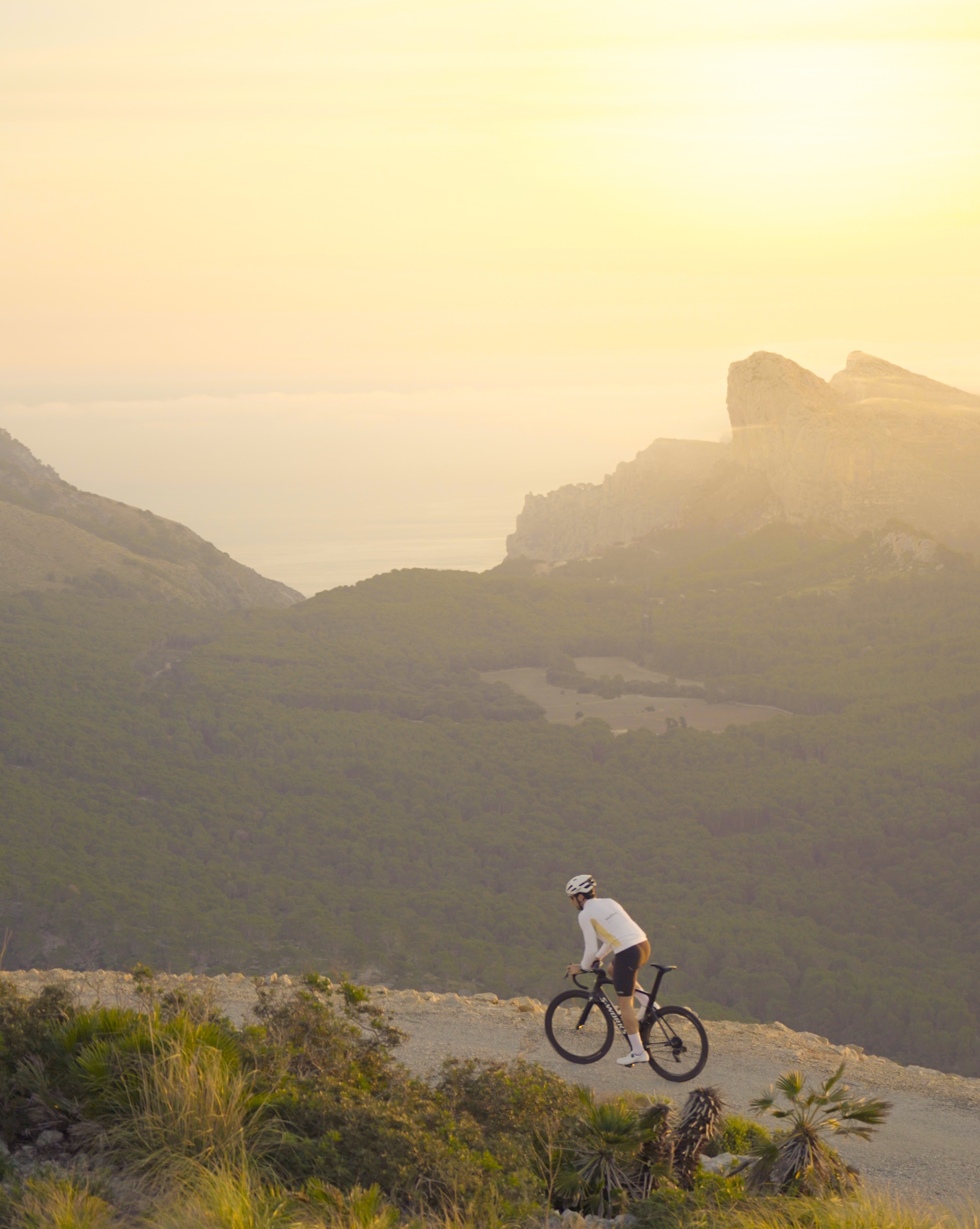
Resilience isn't a personality trait. It's built the same way on a bike as it is in a boardroom: by doing the hard thing again and again until it stops feeling impossible. In Mallorca, that means the long, unglamorous drag up Puig Major — no scenery to distract you, no shortcut, just pacing yourself correctly for a climb that outlasts your first three attempts to quit mentally. CEOs face the same shape of problem in market downturns, failed launches, and long rebuilds: the climb doesn't get shorter because you're tired of it.
Richard Branson has spoken publicly about cycling as a way to keep his thinking sharp under pressure. The same clarity that gets a rider through the last third of a long climb — when quitting would be easy and finishing is just a decision — is what gets a leader through the part of a crisis where the outcome still isn't obvious.
2. Strategic Thinking
Good strategy is reading conditions correctly and adjusting before you're forced to. Nowhere on the island teaches that faster than the descent from Coll des Reis into Sa Calobra: blind hairpins, a road cut into the rock, and no room for a plan that doesn't adapt in real time. Riders who try to force a fixed pace onto that road either brake too much and lose the flow, or carry too much speed into a corner that punishes it. The same instinct — reading what's actually in front of you rather than what you planned for — is what separates leaders who adjust from leaders who just repeat last quarter's plan louder.
Michael Horvath, co-founder of Strava, has credited his own riding for the adaptability that shaped how he built the company. Endurance sports have a way of teaching that lesson without a slide deck.
"Mallorca is our home, and every cycling trip we design reflects the roads, climbs, and local experiences we know and love. No two riders are the same, so no two itineraries should be either."
— Adrián Casanova, Medfeel Ride Leader & Co-founder
3. Teamwork
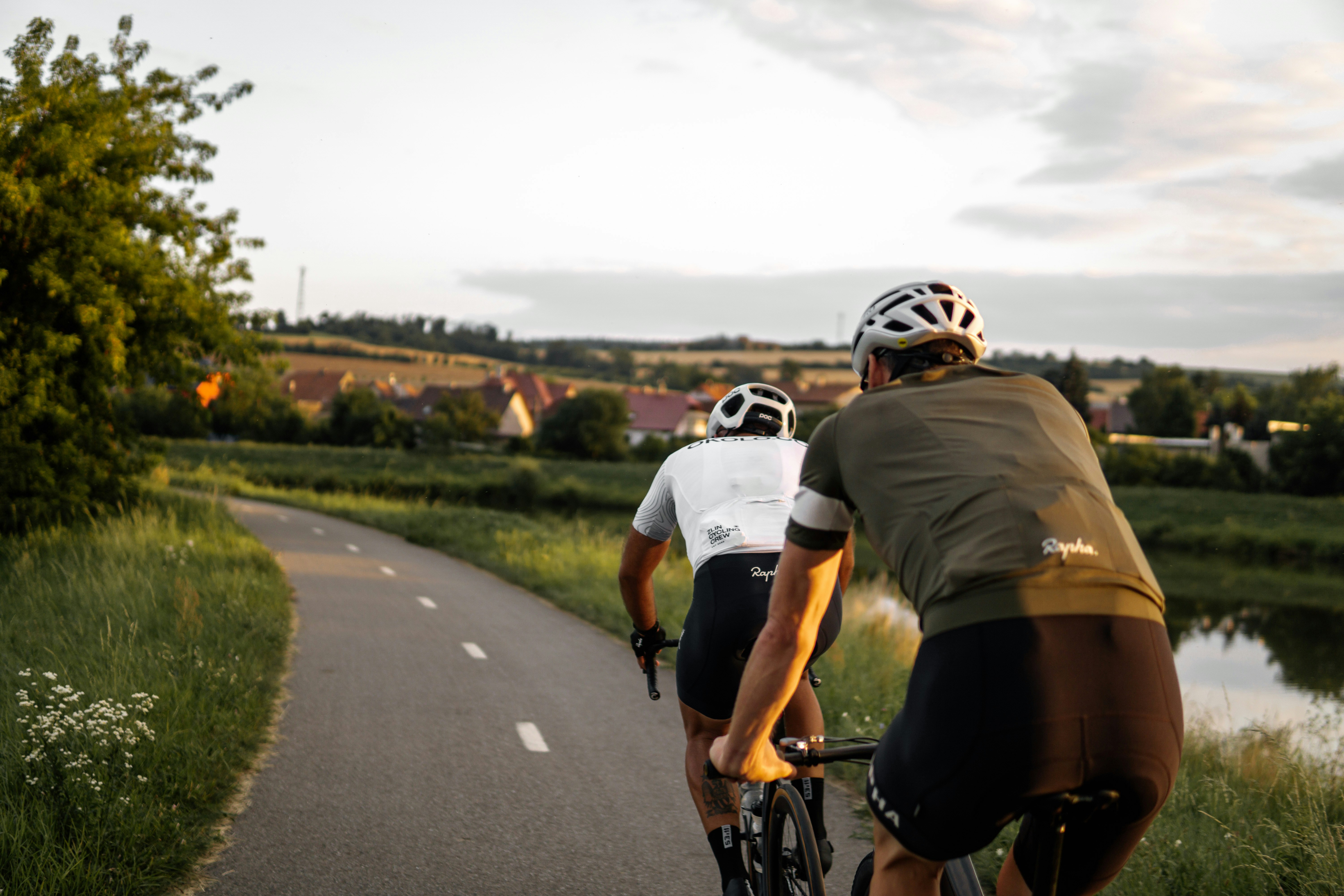
Cycling in a group is delegation you can feel in your legs. In a grupeta, riders rotate who takes the wind at the front and who recovers behind — nobody sustains the hardest job the whole way, and the group is faster for it than any single rider could be alone. It's the same principle behind Medfeel's own model: our co-founders still guide rides themselves, in small groups, because trusting the people around you to take their turn at the front is what makes the whole trip work — on the road and in a company.
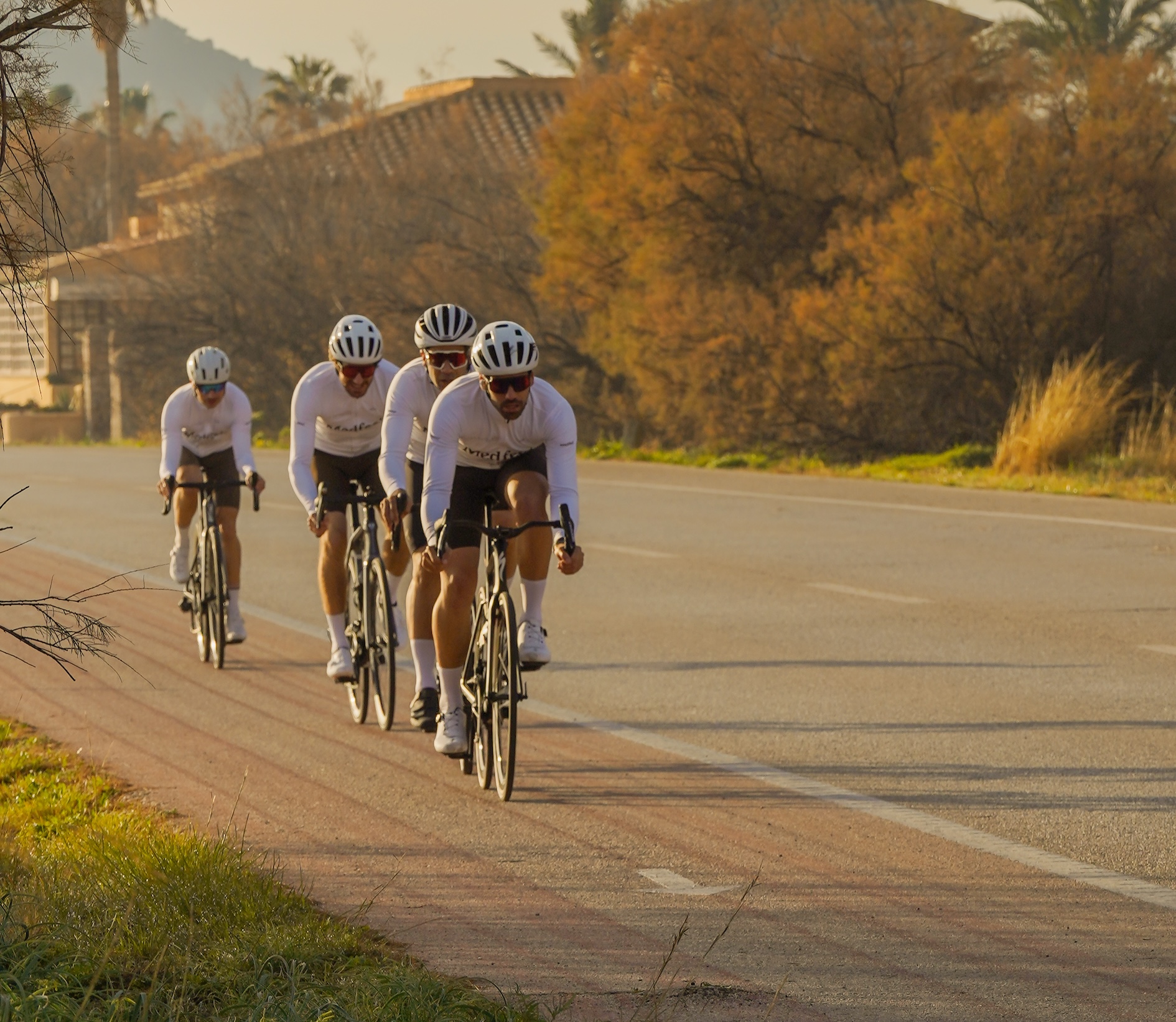
Leadership works the same way. Trust your team, delegate the front position when it's someone else's turn, and build a culture where the effort is genuinely shared rather than quietly carried by one person. A group that rotates well covers more ground than a leader who insists on always pulling.
4. Mental Clarity and Stress Management
A few hours on a bike, with no phone and a fixed cadence, resets focus more reliably than most meetings do. There's a specific kind of quiet that shows up on a long ride once the legs settle into rhythm — the noise of the day fades, and whatever's actually been sitting unresolved in the back of your mind tends to surface. It's not a coincidence that riders often describe their best ideas arriving mid-ride rather than at a desk.
For CEOs managing constant, low-grade pressure, that's not a luxury — it's maintenance. The same stretch of road that clears a recreational rider's head is doing real cognitive work for someone carrying a company's decisions.
5. Well-being for Peak Performance
Burnout isn't a productivity problem you can solve by working through it — it's a physiological one. Cycling builds cardiovascular capacity that shows up as sustained energy and sharper focus long after the ride ends, which is exactly the kind of margin that lets a leader still be making good decisions in hour eleven of a hard week. Jeff Weiner, former CEO of LinkedIn, has spoken about cycling's role in helping him sustain balance through demanding years at the top.
Recovery matters as much as the ride itself. Guests who ride with us in the north of the island often end the day at El Vicenç de la Mar — the kind of stay that turns a hard climb into an actual reset rather than just a workout you now have to recover from on your own.
The Road to Better Leadership Starts Here
Cycling isn't just fitness. It's resilience, strategic thinking, shared effort, mental clarity, and the physical base that makes sustained leadership possible — and none of it is theoretical once you've actually ridden the roads that teach it.
"The best cycling holidays go beyond the bike. We tailor every detail — from routes and hotels to local experiences — so you can experience Mallorca the way we do."
— Jaume Agustí, Medfeel Ride Leader & Co-founder
At Medfeel, we design premium cycling experiences guided by the founders who ride these roads year-round. Picture yourself on Mallorca's climbs and descents, recharging in the evenings, and coming back with the kind of clarity that doesn't show up in a boardroom.
PLAN YOUR TRIPFrequently Asked Questions
Why do CEOs and leaders take up cycling?
Cycling builds the same qualities leadership demands: resilience through long endurance efforts, strategic adaptability to changing conditions in real time, and mental clarity from time spent away from constant decision-making.
What leadership lessons does cycling teach?
Five stand out: resilience for long-term success, strategic thinking under changing conditions, teamwork through drafting and shared effort, mental clarity and stress management, and well-being that sustains peak performance.
Which well-known leaders are known for cycling?
Richard Branson, Michael Horvath (co-founder of Strava), and Jeff Weiner (former CEO of LinkedIn) have all spoken about cycling's role in building resilience, clarity, and balance in their careers.
Can cycling help with stress management for executives?
Yes. The steady rhythm of a long ride is widely reported by leaders as a way to reset mental focus, reduce stress, and create space for their best thinking to surface.
Does Medfeel organize leadership cycling experiences in Mallorca?
Yes. Medfeel designs premium, founder-guided cycling experiences in Mallorca for executives and leaders looking to combine performance, recovery, and reflection.
Can Medfeel design a cycling trip for a corporate or executive group?
Yes. Because Medfeel's co-founders guide trips personally and curate hotels and routes for each group, itineraries can be tailored for corporate retreats or executive groups rather than fixed to a single fixed departure.