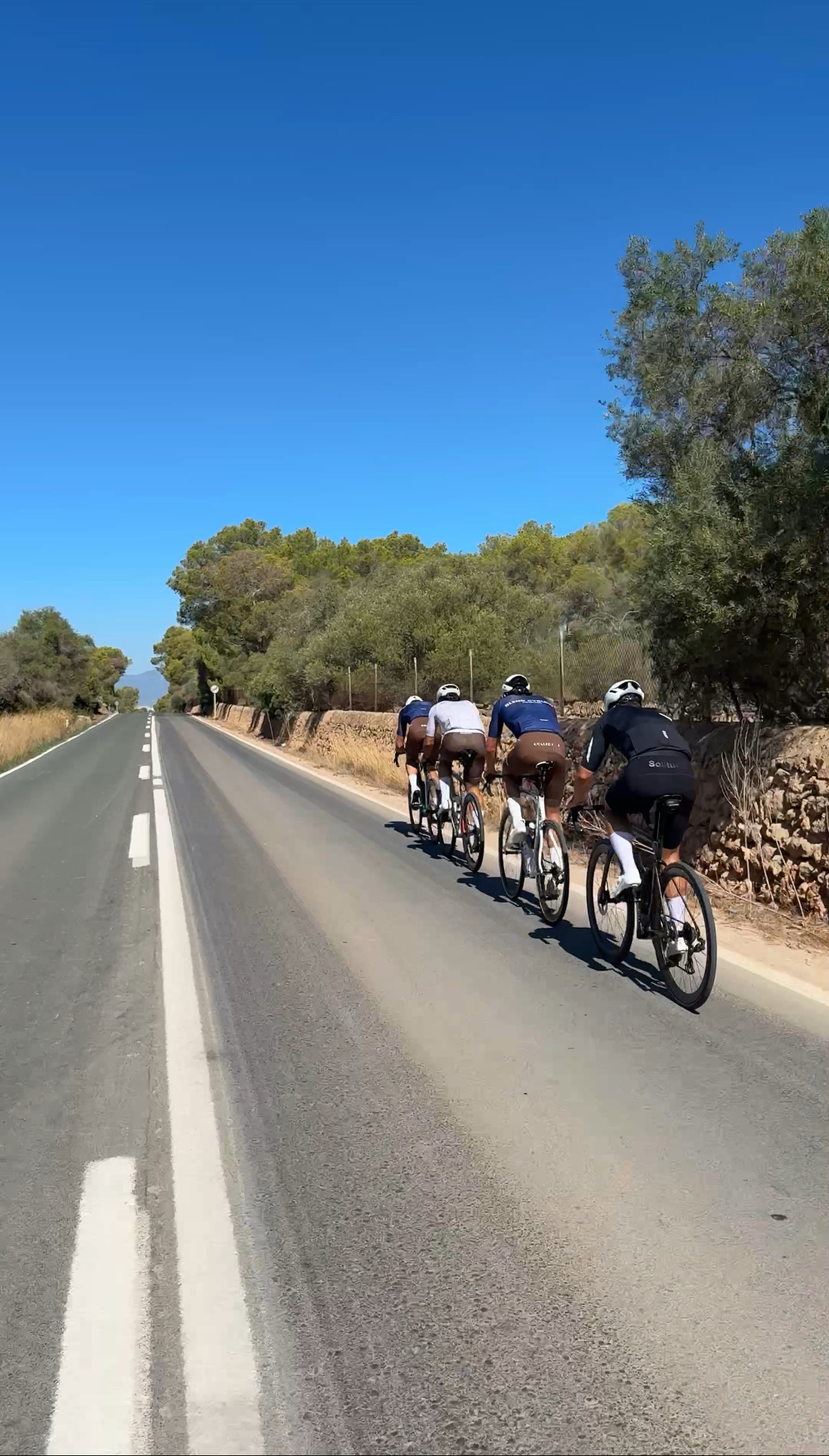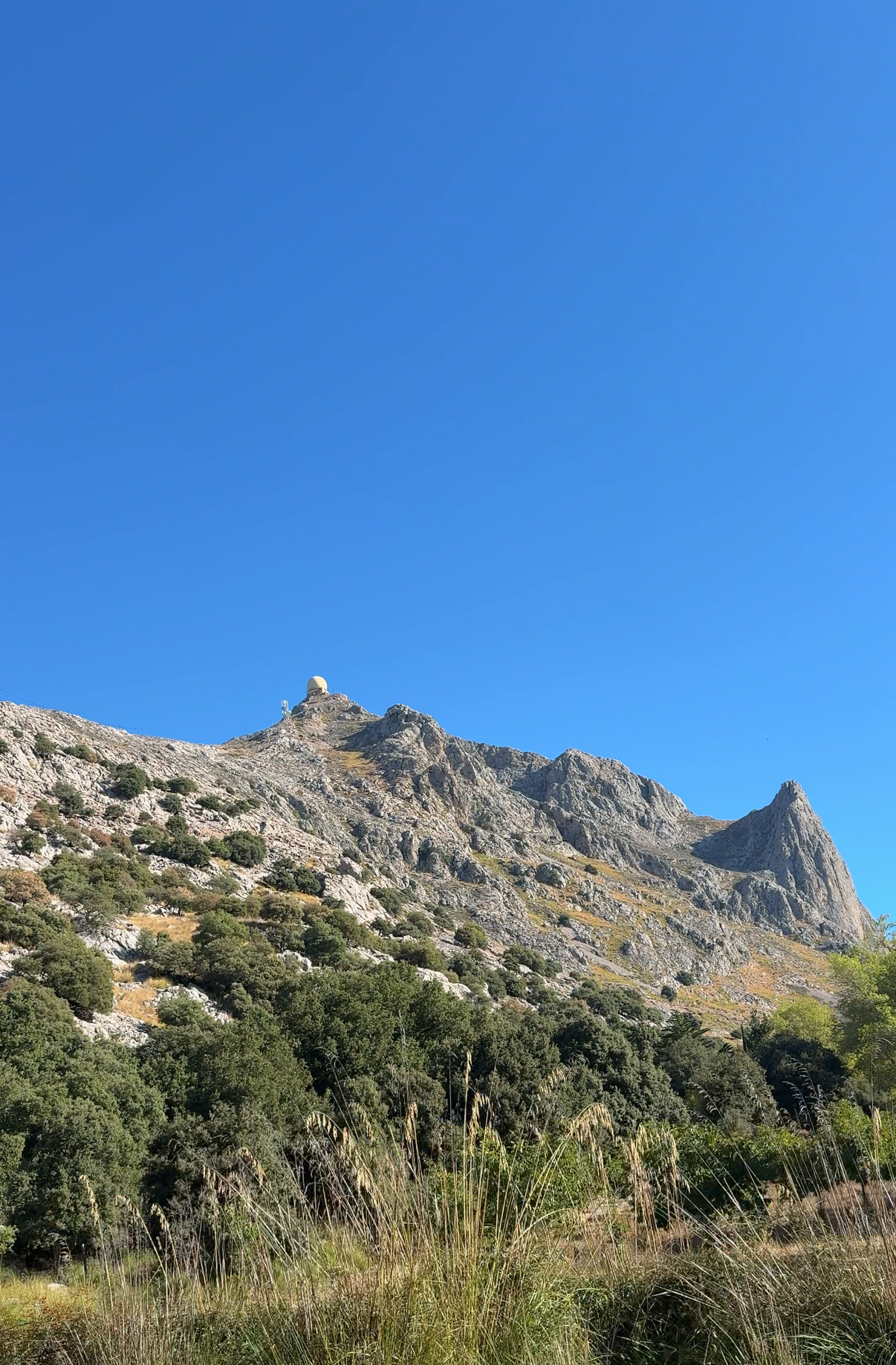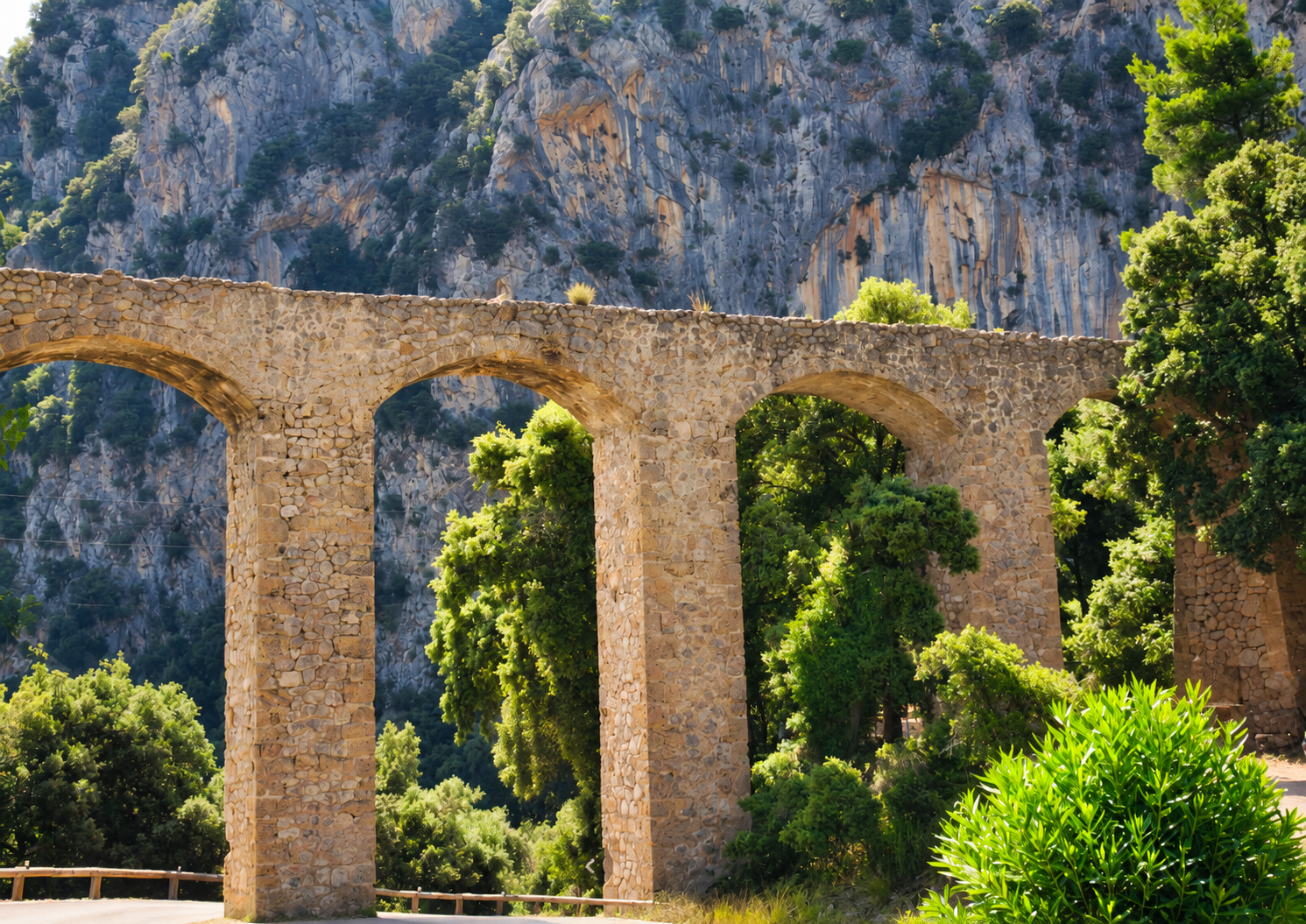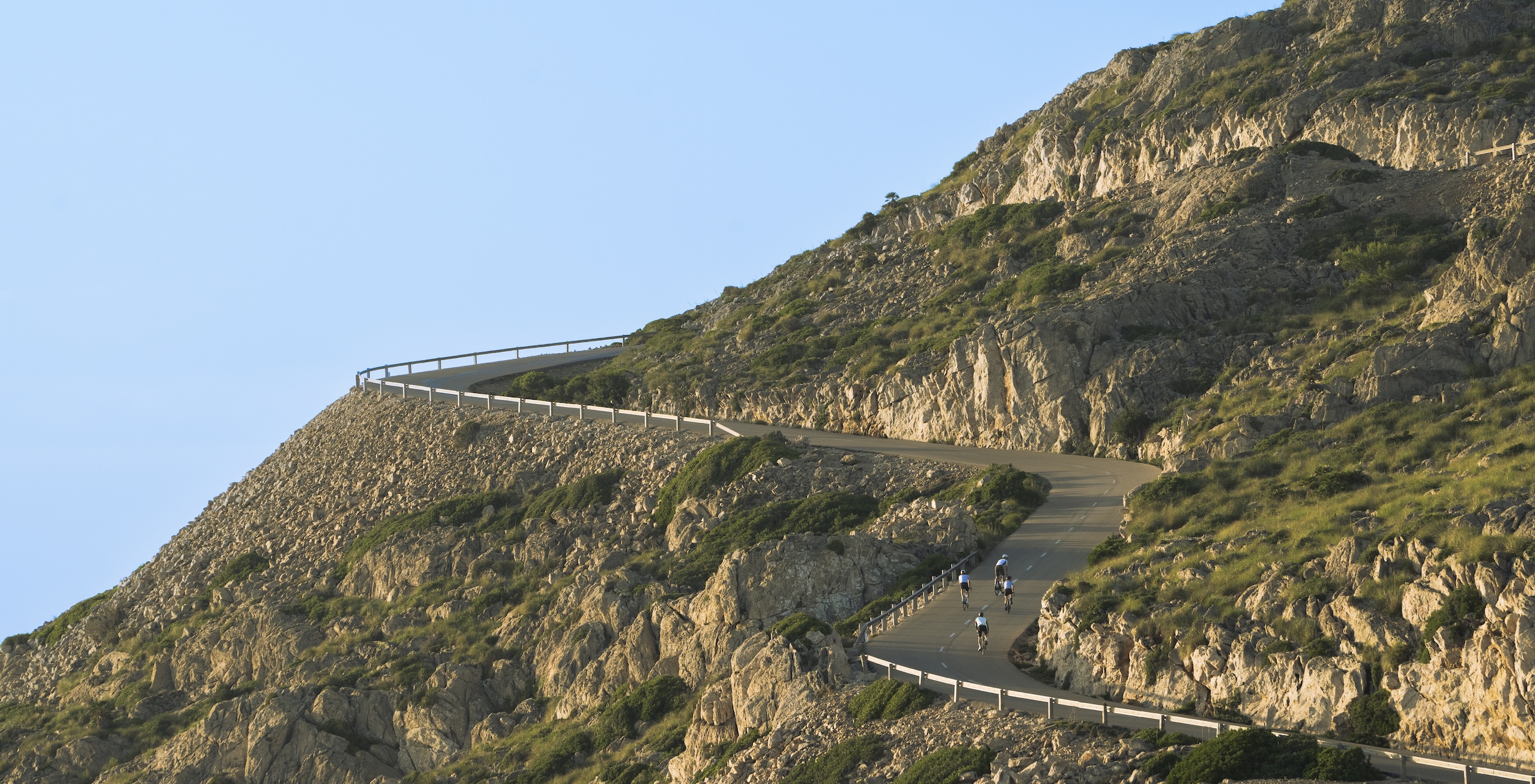
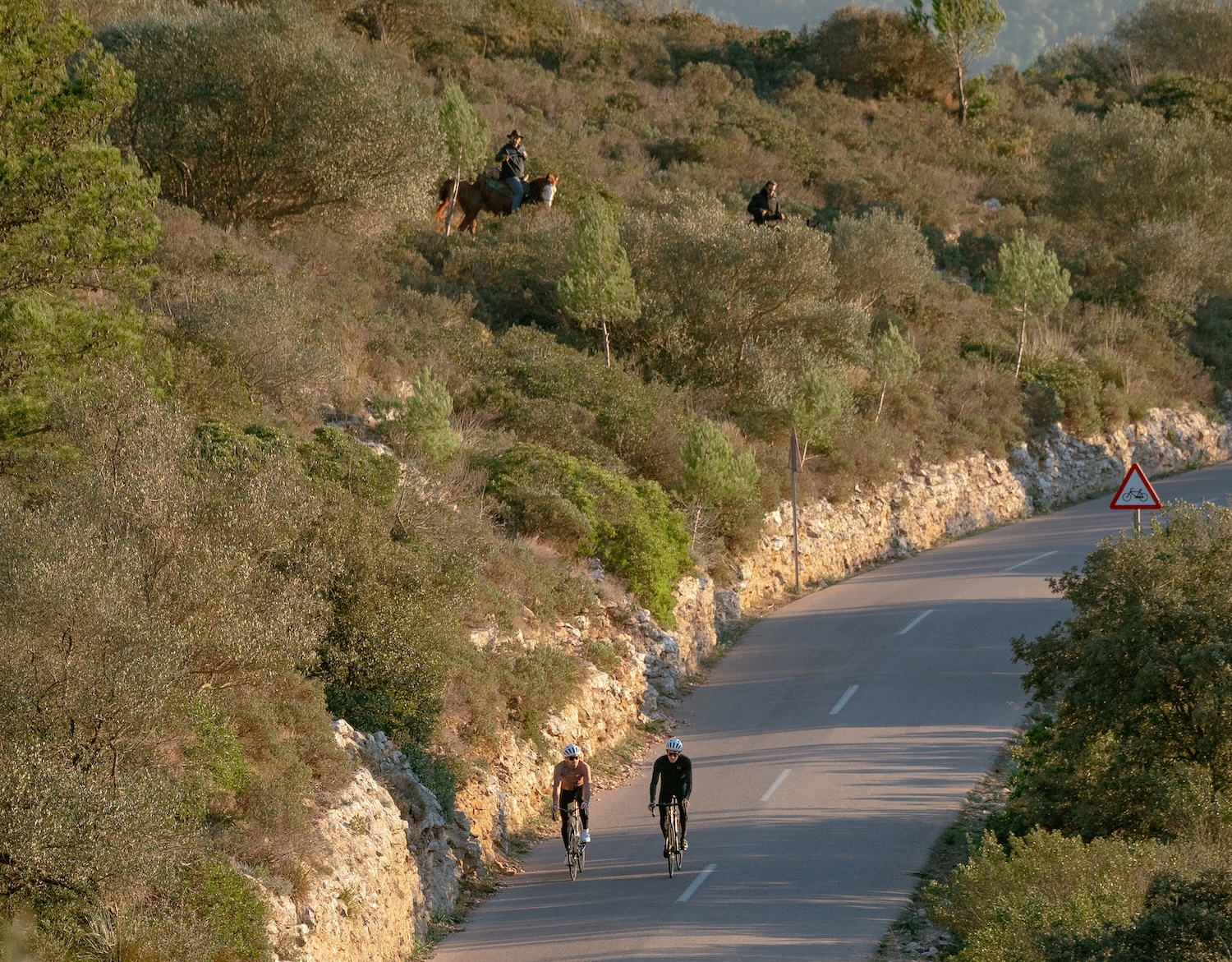
October, November, and December get written off as "not the season" by most cycling guides. From where we guide rides in Mallorca, that's only half true — here's the honest month-by-month version.
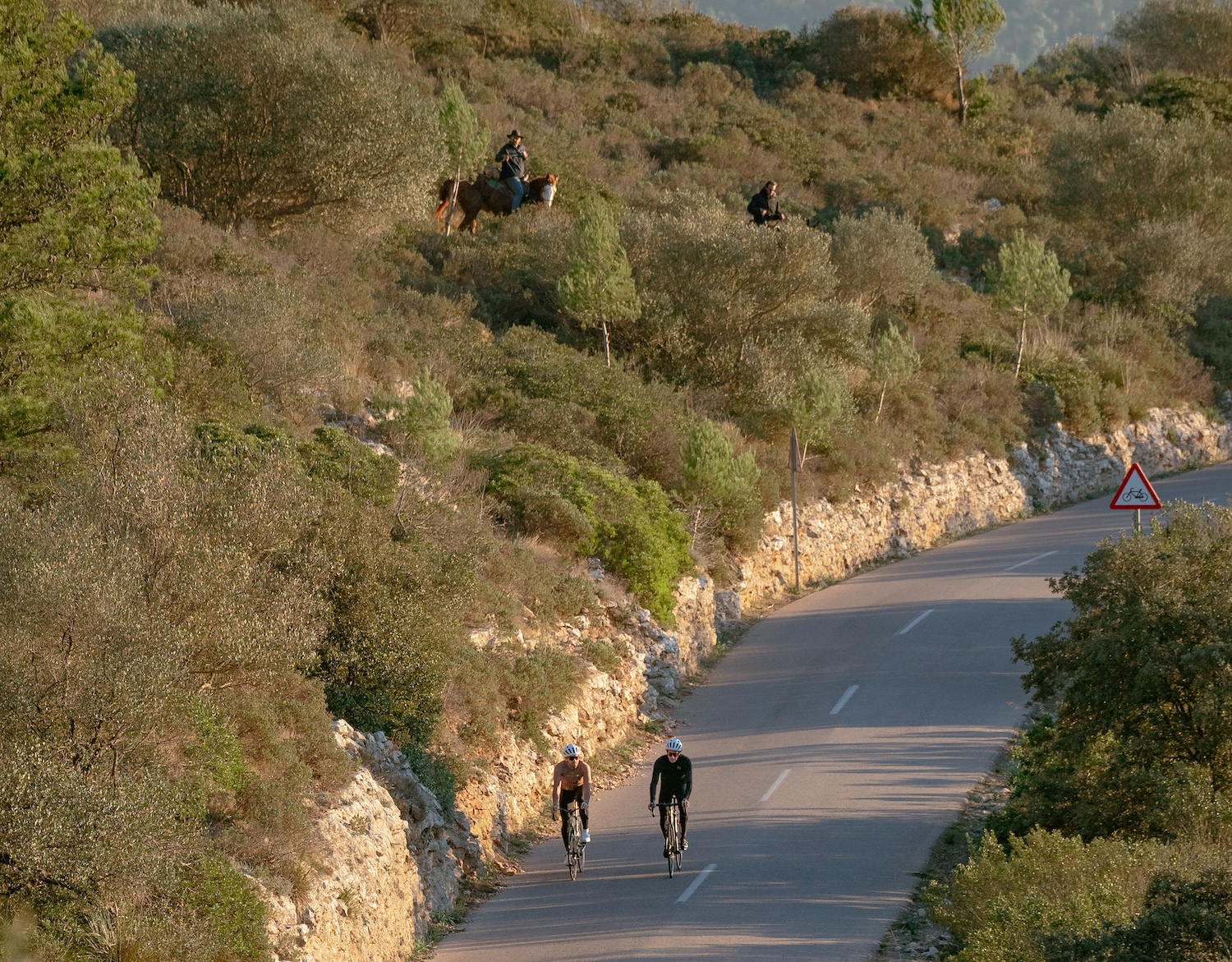
Quick answer
- October is close to a second September: full hotel availability, warm sea, and reliable riding weather across the whole island.
- Mid-November is when it changes — many mountain and coastal hotels close for the season, so Palma becomes the natural base, which turns out to be an advantage: it puts you right at the foot of the quieter southern Serra de Tramuntana climbs around Andratx, Galilea, and Valldemossa.
- December is the quietest and coolest month to ride, with real chances of a wet day, but also empty roads, the lowest prices of the year, and Palma's Christmas markets for the evenings.
- Across all three months: later starts than summer (no need to beat the heat), no restaurant reservations to chase, and noticeably lower rates than July or August.
What actually changes between October and December
The temptation with a "best time to visit" piece is to average the whole quarter into one verdict. We won't do that, because the three months genuinely aren't the same trip. October still belongs to the warm season — full hotel roster, warm sea, long daylight. By December, the island has properly quieted down, days are short, and the trip looks different: a Palma base, a shorter riding window, cooler mornings, and a very different, much less crowded version of the same roads. November sits in between, and it's the month where the single biggest logistical fact of this whole guide kicks in.
October: still full riding season
October rides like a calmer continuation of September rather than the start of "off season." The sea is still warm enough for a swim after a ride, daylight still runs late enough for a full day out, and — this is the part worth saying plainly — every hotel we work with on the island is still open, including the mountain villages and the north coast. Prices have already started easing down from the summer peak, and the roads are noticeably quieter than August, especially once you're past the first week or two of the month. If you only have one month from this list to book without any of the trade-offs described below, it's this one.
November: the hinge month
This is the month that actually earns the question in this article's title. The riding itself is still genuinely good — mild days, quiet roads, some of the best light of the year in the Tramuntana. What changes is where you can sleep: from around the middle of November, a meaningful number of mountain-village and coastal hotels close for the season, particularly in Deià, Valldemossa, and the smaller north-coast villages that run on a spring-through-autumn calendar. This isn't a reason to skip the month — it's a reason to change the plan. Palma stays open, stays lively, and turns out to be the better base for this specific window — see below for why that's actually an upgrade, not a compromise, for riding the southern Tramuntana. It's also the point in the year where discounted rates start showing up meaningfully below October's already-lower prices.
December: the quietest month, with a real trade-off
December is the coolest and quietest of the three, and the most honest way to describe the riding is: good on most days, genuinely wet on some. This is Mallorca's rainier stretch of the year — you should expect the possibility of a showery day or two across a week's trip — but most days still open up into real, rideable windows, often with dramatic cloud and light over the mountains that you simply don't get in July. Rooms are at their cheapest of the year, roads are essentially empty, and Palma itself adds something none of the warmer months offer: the old town fills with Christmas lights and a seasonal market in the weeks around the holidays, which makes a genuinely good non-riding evening after a shorter winter day in the saddle. Plan flexibility into the week rather than a fixed daily distance, and December works well.
October, November, and December at a glance
| Factor | October | November | December |
|---|---|---|---|
| Hotel availability | Full — every base still open | Starts narrowing mid-month — many mountain and coastal hotels close | Narrow — Palma is the most reliable base |
| Recommended base | Anywhere on the island | Palma from mid-month, or book early for a mountain base | Palma |
| Crowds on the road | Quiet, especially after the first weeks | Very quiet | Essentially empty |
| Prices vs. summer | Noticeably lower | Lower again | Lowest of the year |
| Typical start time | Later than summer — no need to beat the heat | Later still, with cool mornings | Later morning start, with a shorter daylight window |
| Restaurant reservations | Rarely needed | Rarely needed | Rarely needed |
| Weather risk | Low — mostly settled | Low to moderate — occasional showers | Moderate — some wet days likely, but most days still offer riding windows |
| Extra draw | Warm sea for a post-ride swim | Autumn light and colour in the Tramuntana | Palma's Christmas markets |
Why Palma works so well as a base once the mountain villages close
The obvious reaction to "your hotel just closed for the season" is to see it as a downgrade. From where we guide, it isn't — Palma sits at the foot of the southern Serra de Tramuntana, a genuinely rich, much quieter climbing area than the famous north-coast roads, and one most first-time visitors never explore because they base themselves near Sa Calobra and Formentor instead. From a Palma base you can reach real, varied climbing without a long transfer.
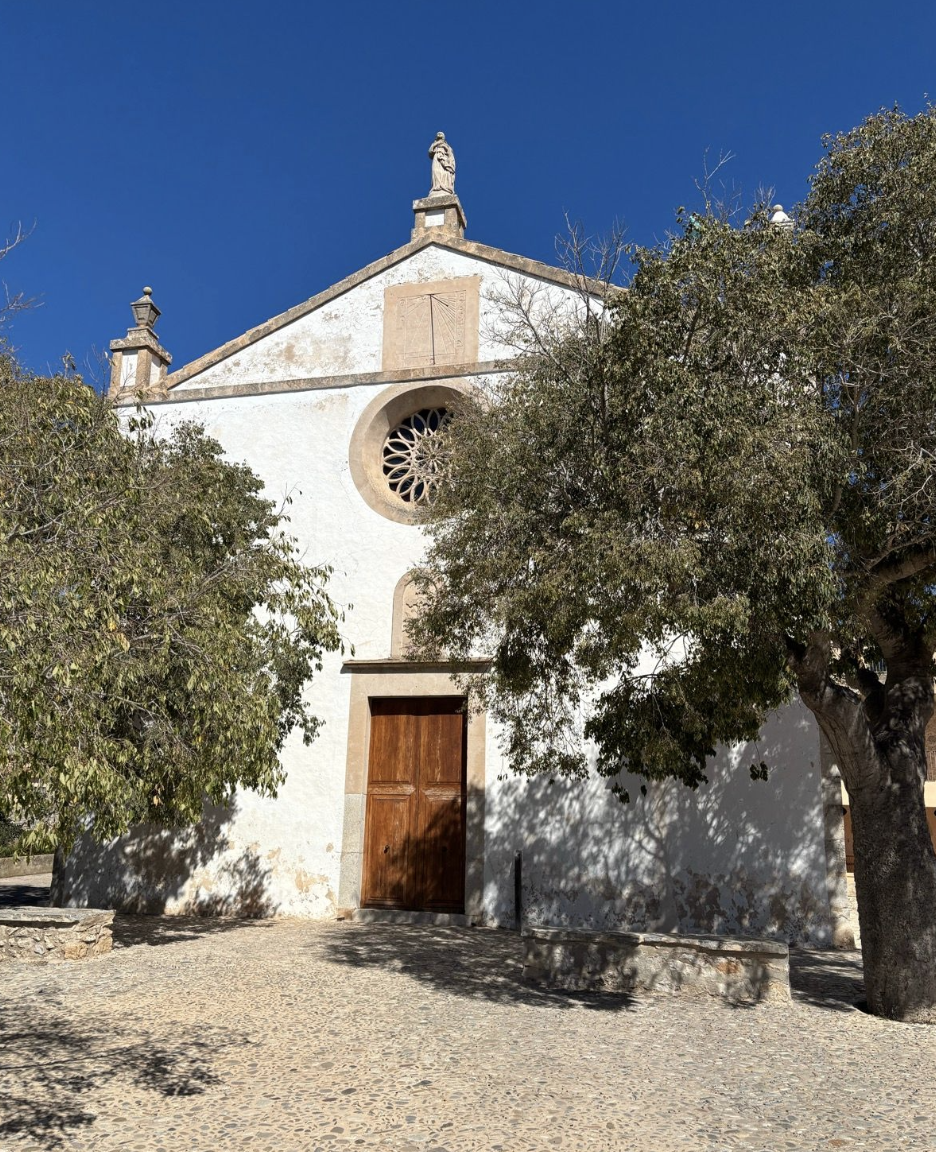
Andratx is the natural gateway: sitting on the island's signature MA-10 mountain road, it's the starting point for Coll de Sa Gramola (5.1 km at 5.2%, winding through pine-covered hills with sweeping Tramuntana coast views), and puts you within reach of Estellencs and Banyalbufar's sea-view switchbacks. Loop inland instead and you reach Galilea, climbable from two directions — from Capdellà (4.5 km at 6.1%) or the gentler from Puigpunyent (3.9 km at 4.9%) — through smooth tarmac and near-empty roads either way.
Closer to Palma itself, Coll des Tords from Establiments (4.4 km at 3.5%) is an easygoing ascent through olive groves and dry-stone terraces — a genuine warm-up climb rather than a transfer-required one. Further out, Valldemossa — one of the island's most famous villages, cobblestone streets and the Royal Charterhouse included — sits on the classic Palma-Deià-Sóller road and adds Coll d'en Claret (4.8 km at 4.7%) to the day. Push on to Banyalbufar, known for its dramatic terraced vineyards along the MA-10, for Coll de Sa Bastida (3.1 km at 6.1%, terraced hillsides and sea views the whole way up).
This is also genuinely the best window on the calendar to notice Mallorca's version of autumn colour — not the New England kind, but real all the same: the vine leaves on Banyalbufar's terraces turn amber before the winter pruning, the late-afternoon light goes gold much earlier in the day, and the whole southern range takes on a softer, warmer haze than the harsher light of a July afternoon. It's a quieter, more atmospheric kind of beautiful than the postcard summer version.
What about the rain?
Worth being straight about this rather than selling a fantasy: October through December is Mallorca's wetter stretch of the year compared to the dry summer months, and a week-long trip in November or especially December has a real chance of including a shower or a wet morning. What we'd push back on is the assumption that this rules out riding. Most days in this window still open up into genuine, rideable windows — often after a wet start clears by mid-morning — and the payoff is dramatic cloud light over the Tramuntana ridgelines that simply doesn't happen in a cloudless July sky. We build flexibility into the day's timing and route rather than a fixed early departure, which is the opposite of the summer approach (more on that below), and it's rarely a problem in practice.
The other real advantages of riding Q4
A few things change for the better across all three months that are easy to underrate until you've actually experienced the contrast with a July trip:
- Later starts. Our summer advice is wheels rolling by 7am to beat the heat and the coach traffic on roads like Sa Calobra and Formentor. From October through December, there's no heat to race — a civilised 9 or 10am start is completely normal, and the light is often better for it.
- No restaurant chasing. In peak season, the good tables in Sóller, Valldemossa, or Deià need booking ahead. From October on, walking in and getting a table the same evening is the norm, not the exception.
- Prices. Both hotels and rental rates step down noticeably from the summer peak through October and again through November and December — the lowest point of the year for the same rooms and, often, the same routes.
- Roads to yourself. The single biggest qualitative difference from a summer trip: no coach tours queuing on the famous climbs, no rental-car traffic on the coastal roads, just the road and whoever else is out riding it with you.
Where to stay in Palma this time of year
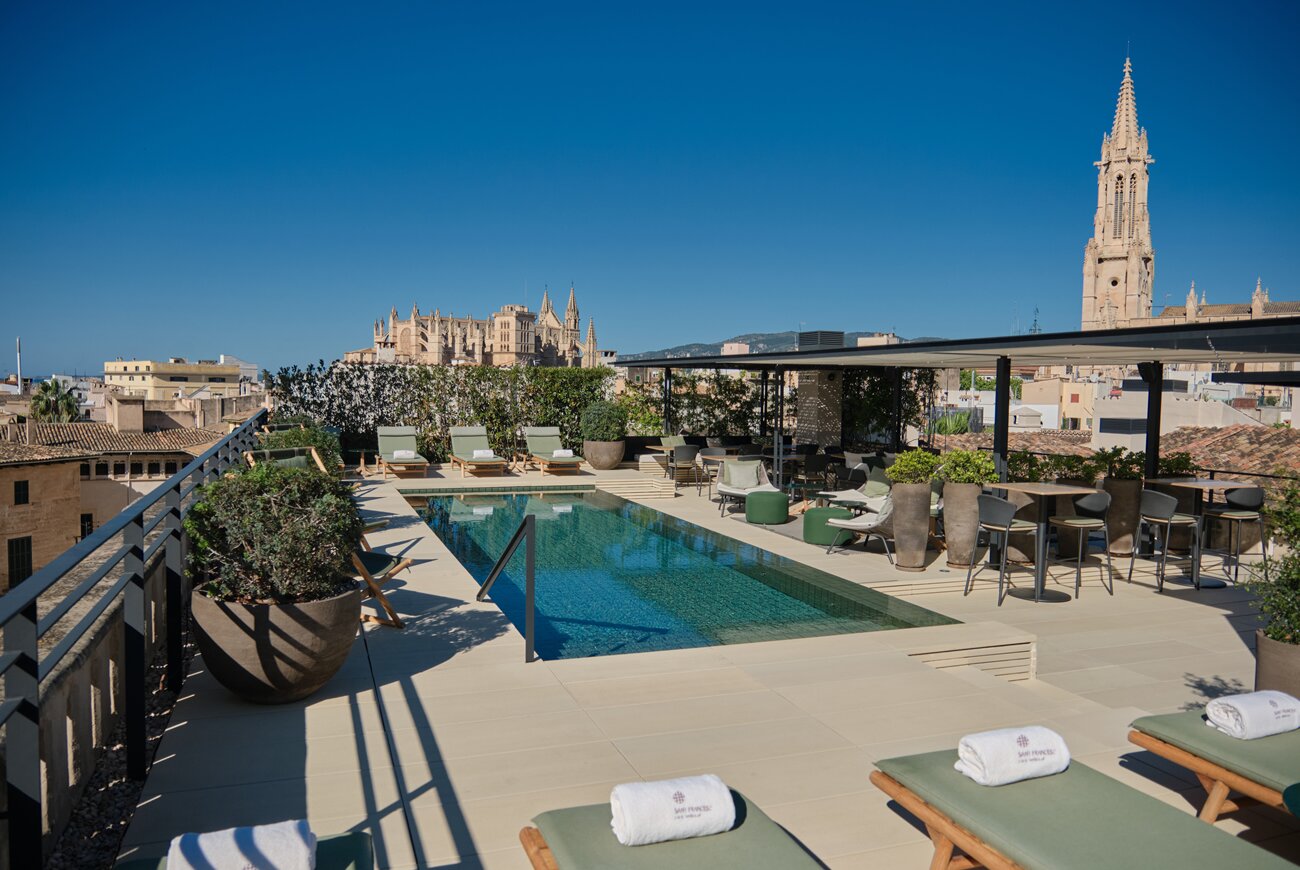
Once the mountain-village hotels start closing in November, we base guests at boutique properties in Palma's old town rather than trying to chase down whichever mountain hotel happens to still be open. Two we come back to: Sant Francesc, a 5-star historic hotel in the heart of Palma with secure bike storage, personalised ride suggestions, and a rooftop for unwinding after a ride, and Santa Clara Urban Hotel & Spa, a 4-star boutique property tucked between the cathedral and the old city walls with its own spa. Both stay open and genuinely lively year-round, both put you within an easy transfer of Andratx, Galilea, and the southern Tramuntana climbs above, and both mean your evenings don't depend on whichever single restaurant happens to still be open in a village of a few hundred people in December.
If you're weighing this window against the rest of the year, our full month-by-month guide to cycling Mallorca covers the island's other two windows — spring and the June-through-August stretch — in the same detail.
Frequently Asked Questions
Is it too cold to cycle in Mallorca in November or December?
No. Daytime temperatures stay comfortably rideable for a fit cyclist through both months — this is a question of rain risk and shorter daylight, not cold.
Do hotels close in Mallorca in the winter?
Many do, starting around mid-November — particularly smaller hotels in the mountain villages and along the quieter stretches of the north coast, which run on a spring-through-autumn season. Palma's hotels stay open and busy year-round.
What's the best base for cycling in Mallorca once the mountain-village hotels close?
Palma. It stays fully open through the winter, and it sits directly at the foot of the southern Serra de Tramuntana, with real climbs — Coll de Sa Gramola, Coll de Galilea, Coll d'en Claret, Coll de Sa Bastida — all reachable without a long transfer.
Does it rain a lot cycling in Mallorca in autumn and winter?
October through December is Mallorca's wetter stretch of the year, and a week-long trip has a real chance of a showery day, especially in December. Most days still open into genuine rideable windows, though — it's a trade-off worth planning around, not a reason to skip the season.
Is Mallorca quiet for cycling in October, November, and December?
Yes — this is the quietest stretch of the year on the roads, with the famous climbs free of the coach tours and rental-car traffic that build up from June through September.
Ride it this season
If you're weighing a shorter trip for this window, our Mallorca Weekend Cycling Escape (3 nights, 130 km, from €950) is an easy way to test the season without committing a full week — and its shorter, flexible format suits the lower daylight and occasional weather day of this window well. Tell us your dates and which base interests you more, and we'll tell you honestly what to expect.