Spain is not one cycling destination but several, and each one has its own season.
Ride Mallorca and Girona in spring and autumn, the Costa Blanca and the Canary Islands in winter, and the Pyrenees, the Basque Country and Asturias in summer.
Choose the region by the month you can travel first, then by the kind of climbing you enjoy. The table below compares all eight on season, terrain, airport and who each one suits.
Quick answer
- Mallorca is the most complete all-rounder: Sa Calobra is 9.5 km at 7.2%, flat coastal loops sit an hour away, and it rides well from roughly October to May.
- Girona and the Costa Brava mix pro-training climbs like Rocacorba with gravel and coast; best from April to June and September to October.
- Winter (November–March): the Canary Islands and the Costa Blanca around Calpe are the warmest mainland and island options.
- Summer (June–September): go north or high — the Pyrenees, the Basque Country, Asturias and upper Sierra Nevada.
- Medfeel currently runs trips in Mallorca and Girona; Calpe and the Basque Country are coming but not yet bookable.
Spain's cycling regions at a glance
Spain's main cycling regions split cleanly by season and terrain. Mallorca and Girona are the spring and autumn favourites, the Canaries and Costa Blanca carry the winter, and the northern mountains take over in summer. The table below compares the eight regions we rate, with the arrival airport we would actually use for each.
| Region | Best months (typical) | Terrain | Arrival airport | Suits | Medfeel |
|---|---|---|---|---|---|
| Mallorca | Oct–May | Coast, steady mountain climbs, flat interior | Palma (PMI) | All levels, mixed groups | Live |
| Girona & Costa Brava | Apr–Jun, Sep–Oct | Rolling hills, short steep climbs, gravel, coast | Girona (GRO) or Barcelona (BCN) | Intermediate+, gravel riders | Live |
| Costa Blanca (Calpe) | Nov–Apr | Coast plus inland cols | Alicante (ALC) or Valencia (VLC) | Winter training blocks | Coming soon |
| Canary Islands | Nov–Mar | Long volcanic climbs from sea level | Gran Canaria (LPA), Tenerife (TFS) | Strong climbers in winter | No |
| Sierra Nevada & Granada | May–Jun, Sep (high roads in summer) | Very long climbs at altitude | Granada (GRX) or Málaga (AGP) | Experienced climbers | No |
| Spanish Pyrenees | Jun–Sep | High mountain passes, remote valleys | Barcelona (BCN), Zaragoza (ZAZ) | Experienced riders | No |
| Basque Country | May–Sep | Short, very steep climbs, green hills | Bilbao (BIO) | Punchy riders, food lovers | Coming soon |
| Asturias | Jun–Sep | Extreme gradients, wet climate | Asturias (OVD) | Experienced climbers | No |
Months are what we and most local operators treat as the reliable windows; they are not guarantees. Weather in any of these regions can turn in a day, and high roads in the Pyrenees and Sierra Nevada can close outside summer.
Mallorca: the most complete cycling destination in Spain
Mallorca is Spain's best all-round cycling destination because it puts every kind of riding within an hour of each other: the Serra de Tramuntana for climbing, the northern bays and the interior plain for easy days, and a mild climate that keeps it rideable for most of the year. Palma airport has direct flights from much of Europe.
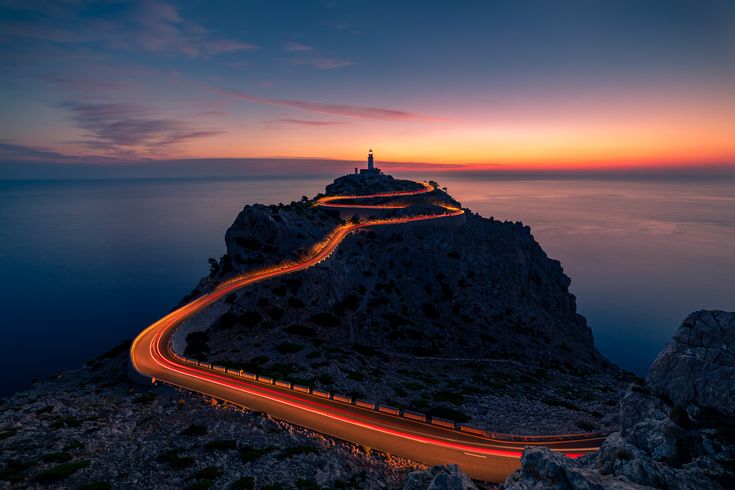
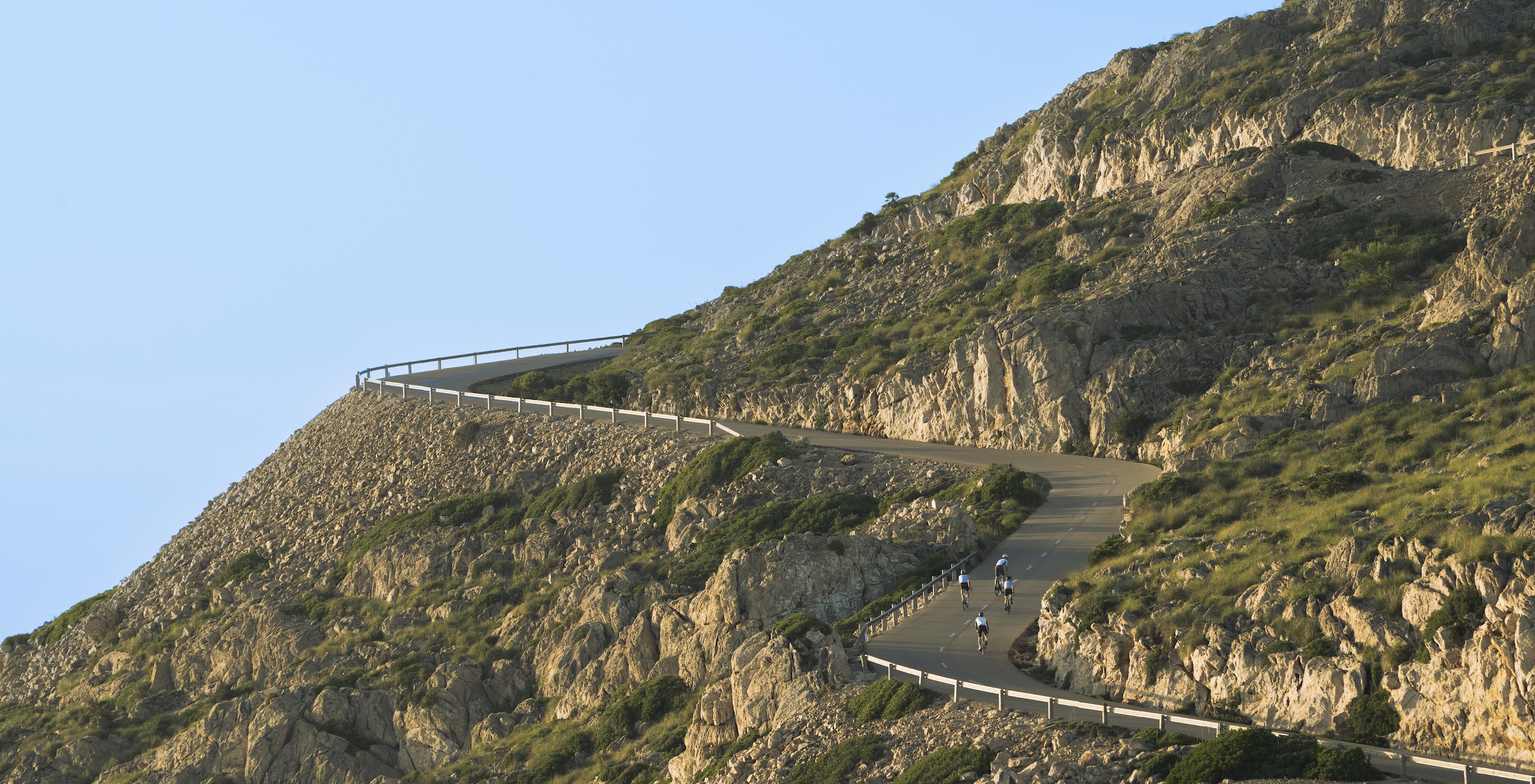
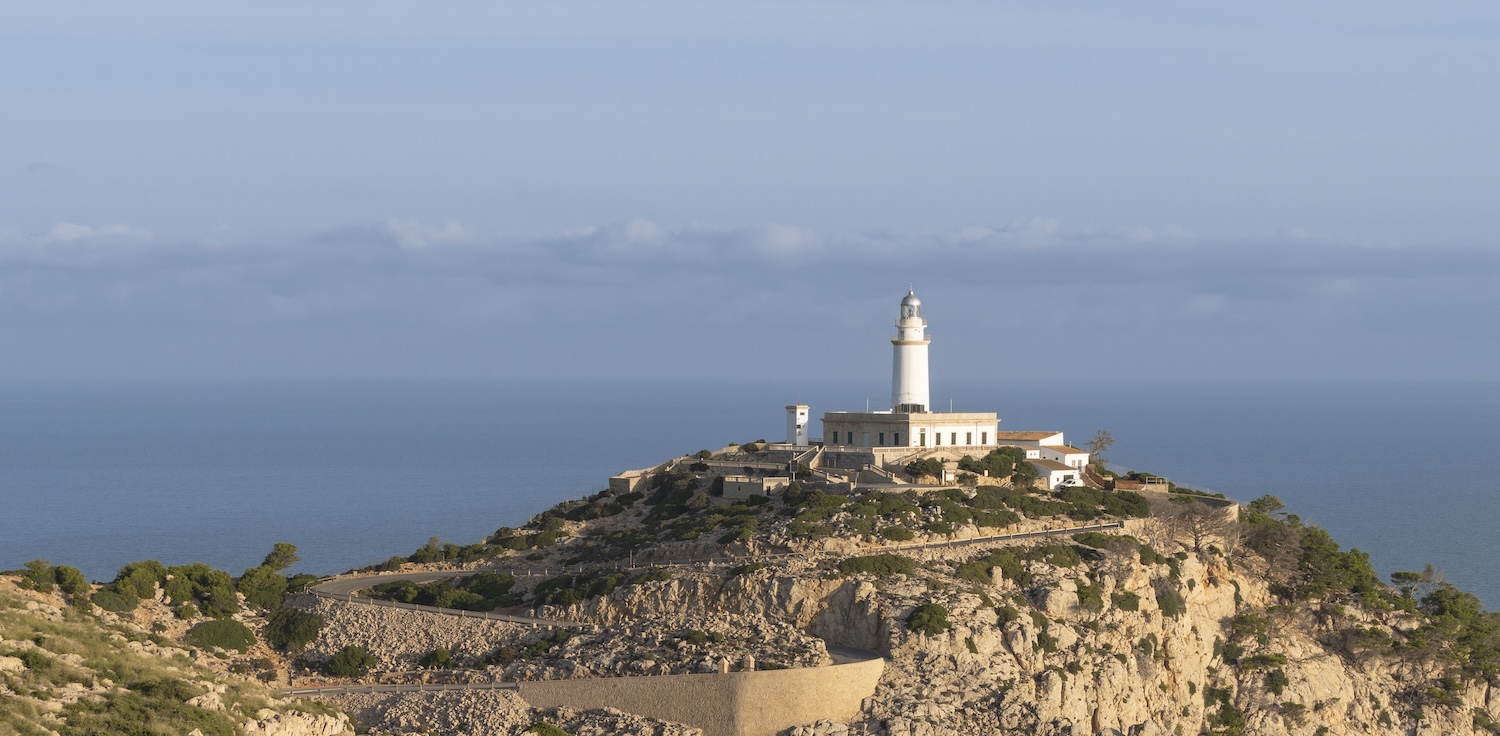
The numbers explain why so many pro teams base their winter camps here. Sa Calobra (Coll des Reis) climbs 9.5 km at an average of 7.2%, and Puig Major from Sóller is 14.4 km with 815 m of climbing — long and steady rather than savage. The Cap de Formentor road is 10.8 km at 2.9%, a ride you do for the coastline rather than the gradient.
Two warnings we give every rider. Sa Calobra is a dead end: once you descend, the only way out on the bike is the 9.5 km back up, so plan your energy (or a pick-up) before you drop in. And the summit of Puig Major is a military zone — the road crosses below it, but you cannot ride to the top. Traffic restrictions on the Formentor road change from year to year, so check the current dates before you plan that day.
Who it's not for: riders who want very high altitude or gradients above 10% for long stretches. Mallorca's climbs top out well below the Alps and Pyrenees. In summer, inland heat makes afternoon riding hard work.
Our Signature Mallorca Bike Tour covers 430 km and 4,610 m of climbing over 5 riding days (7 days, Intermediate, from €2,320 per person). For a shorter first look, the Mallorca Weekend Cycling Escape is 3 days and 130 km, from €950 per person.
Girona and the Costa Brava: the riders' town
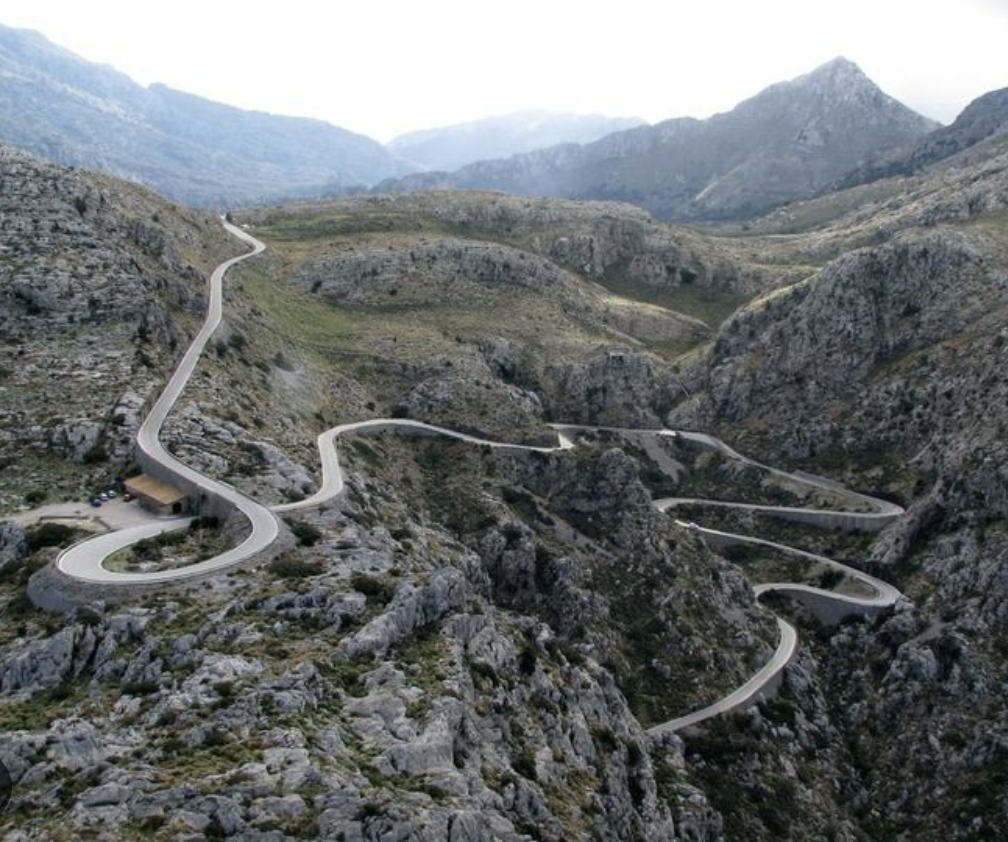
Girona is Spain's best destination for riders who want a cycling culture as much as a climb list. Many professional riders live and train here, and from the old town you reach short, steep climbs, the gravel roads of Les Gavarres and the Costa Brava coast in under an hour. It rides best from April to June and September to October.
The signature climb is Rocacorba, a favourite training test for the pros based in the city. On our Girona Luxury Cycling Vacation the Rocacorba day via Lake Banyoles is 79 km with 1,220 m of climbing, and the Cap de Creus and Cadaqués day adds 67 km and 1,040 m along the most rugged coast in Catalonia. The full 7-day trip covers 338 km and 4,740 m over 5 riding days, rated Intermediate, from €4,650 per person.
Getting there is easy: Girona airport is a short transfer from the city, and Barcelona's much larger airport is around 100 km away with far more routes. That makes Girona the simplest region to combine with a few days in Barcelona.
Who it's not for: riders looking for long Alpine-style climbs, or anyone who wants a beach-resort base. Girona is an inland city; the coast is a ride or a transfer away.
Costa Blanca and Calpe: the mainland winter base
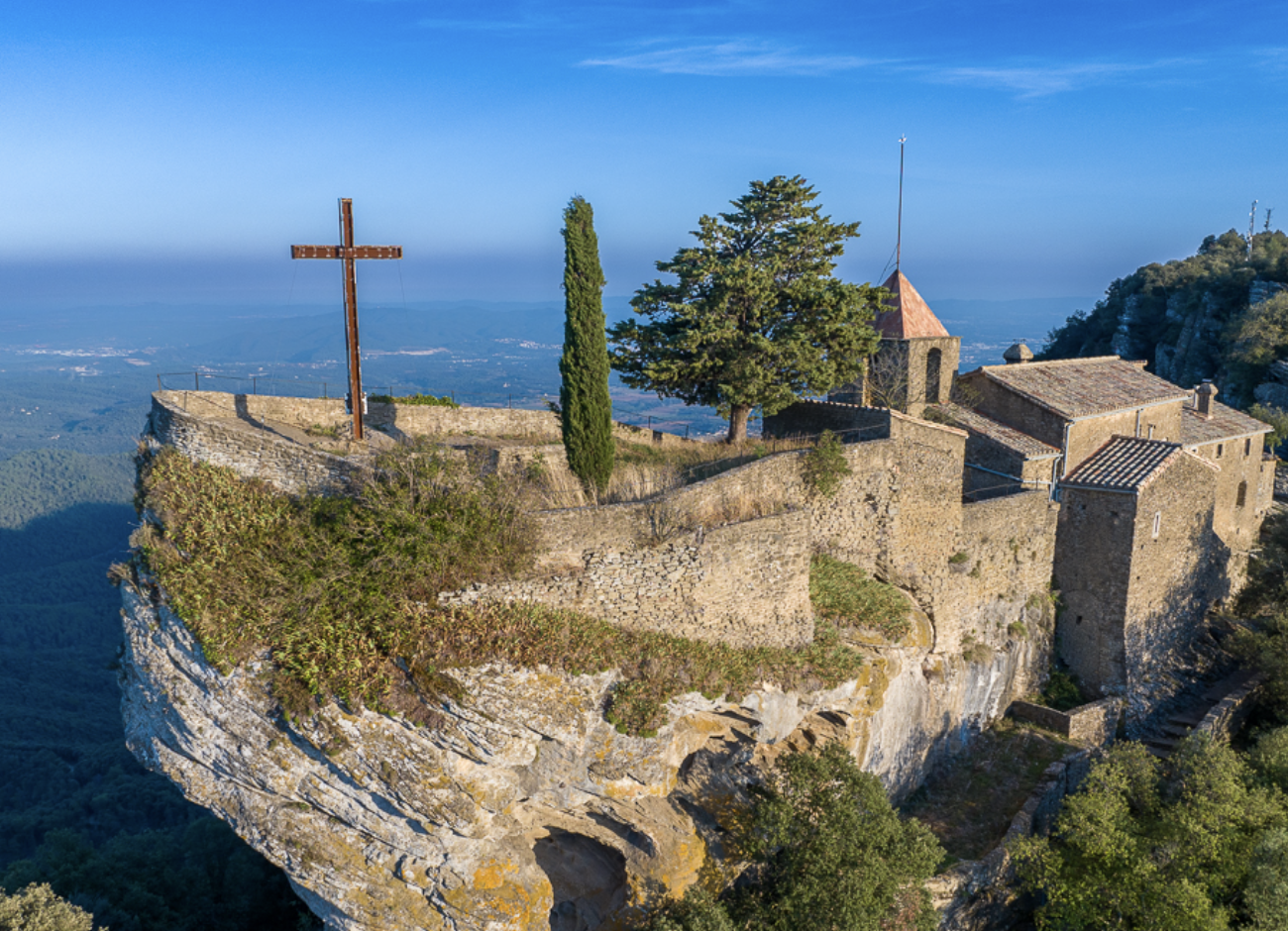
The Costa Blanca around Calpe is mainland Spain's main winter cycling base. Between November and April many professional and amateur teams train here for its mild coastal climate and inland climbs such as the Coll de Rates. Alicante airport is the usual arrival point, about an hour's drive away.
Calpe works because the riding starts at the hotel door: coastal roads for recovery days, then quiet valleys and cols behind the coast for the harder sessions. It is less varied than Mallorca and the coastal strip is heavily built up, but for a focused winter training block it is hard to beat on access and price.
Medfeel status: Calpe is on our list of upcoming destinations but is not open for booking yet. Until it is, we'd point winter riders who want our support towards Mallorca.

The Canary Islands: Spain's warmest winter riding
The Canary Islands are the warmest place in Spain to ride from November to March, and they offer some of the longest climbs in the country. On Gran Canaria and Tenerife, roads rise from the coast to well above 1,500 m, with Tenerife's routes into the Teide National Park climbing above 2,000 m.
The trade-off is that almost every ride is a climb. There is very little flat riding away from the coast roads, winds can be strong, and temperatures drop sharply with altitude, so a warm morning at sea level can mean a cold descent. They suit strong riders building winter fitness better than mixed-ability groups or couples where one partner wants easy days.
Who it's not for: beginners, and anyone who wants Mediterranean villages and coastal flatness as part of the trip. Flights from northern Europe are also around four hours, longer than to Mallorca or Girona.
Sierra Nevada and Granada: altitude in the south
Sierra Nevada, just above Granada, has one of the highest roads in Europe and some of the longest continuous climbs in Spain. It is a destination for experienced climbers: the high roads are best in summer, when the city below is too hot, while spring and autumn suit the lower routes around Granada and the Alpujarras.
Riding here means long efforts at altitude, few café stops on the way up and big temperature changes between Granada and the upper slopes. Combine it with time in Granada itself — the Alhambra is a fair reward for a rest day — but don't treat it as an easy add-on to a beach holiday.
Who it's not for: riders who prefer variety over volume, and anyone new to long climbs. Arrive via Granada or Málaga airport.
The Spanish Pyrenees: high passes and empty valleys
The Spanish Pyrenees in Catalonia, Aragon and Navarre are Spain's best high-mountain riding from June to September. Passes are long, valleys are quiet, and you can cross into France for the Tour de France climbs on the same trip. Outside summer, snow and closures make the high roads unreliable.
The Spanish side is generally quieter and drier than the French side, with fewer of the famous Tour names but less traffic on many of the passes. Distances between villages are longer and services thinner than in Mallorca or Girona, so a support vehicle or a well-planned route matters more here than almost anywhere else in Spain.
Who it's not for: anyone travelling outside summer, or riders who want short transfers from the airport. Barcelona and Zaragoza are both a long drive from the high valleys.
The Basque Country and Asturias: steep, green and wet
Northern Spain is the best choice for summer riders who like short, very steep climbs. The Basque Country offers punchy hills, the Jaizkibel climb above San Sebastián and one of Europe's best food scenes; Asturias has the Angliru, one of the hardest climbs ever used in the Vuelta, with sections well above 20%.
Both regions stay green for a reason: rain is common even in summer, and the gradients are far steeper than anything in Mallorca. Gear for the climbs, not your ego — a compact chainset and a wide-range cassette are close to essential on the steepest Asturian roads.
Medfeel status: the Basque Country is on our upcoming list but not yet bookable. Asturias is not a Medfeel destination.

How to combine two Spanish cycling regions in one trip
The easiest Spanish combination is Girona plus Mallorca: Barcelona and Palma are linked by frequent short flights and overnight ferries, so you lose half a day, not a full one. Plan at least nine days for two regions, ideally in spring or autumn when both are in season at the same time.
Other pairings work less well. The Canaries and the mainland are in different seasons for most of the year, and the Pyrenees are best exactly when the Mediterranean regions are too hot. If you only have a week, one region ridden properly beats two ridden in a hurry — packing, transfers and bike handovers eat into riding days faster than people expect.
| Combination | Best window | Link | Minimum length |
|---|---|---|---|
| Girona + Mallorca | Apr–Jun, Sep–Oct | Barcelona–Palma flight or ferry | 9 days |
| Girona + Pyrenees | Jun, Sep | Road transfer | 8 days |
| Costa Blanca + Mallorca | Feb–Apr | Alicante/Valencia–Palma flight or ferry | 9 days |
| Basque Country + Asturias | Jun–Sep | Road transfer along the north coast | 8 days |
Our take: which Spanish region for which rider
Choose by travel month first, then by riding style. For most riders booking a week away in spring or autumn, Mallorca is the safest choice and Girona the more distinctive one. Winter means the Canaries or Costa Blanca; summer means the north or the mountains.
- First cycling holiday or mixed-level group: Mallorca — short distances, steady gradients and an e-bike option for anyone who wants it.
- Experienced rider who wants cycling culture and gravel: Girona and the Costa Brava.
- Winter training block: the Canary Islands for climbing, the Costa Blanca for volume on the mainland.
- Summer mountain trip: the Spanish Pyrenees, or Sierra Nevada if you want altitude and Granada as a base.
- Steep climbs and food: the Basque Country, with Asturias for the hardest gradients.
- Couples who want hotels and food to matter as much as the riding: Mallorca or Girona, where the hotel stays are part of the itinerary design.
Deciding between Mallorca and Girona? Tell us your dates, your level and how much climbing you want — we'll tell you which one fits, and why.
Plan your Spain cycling trip with Medfeel · or see the Signature Mallorca Bike Tour (7 days, from €2,320 per person) and the Girona Luxury Cycling Vacation (7 days, from €4,650 per person)
Prices are "from", per person; flights, travel insurance, and food and drinks are not included. Both tours run guided, self-guided or a mix, with road or e-bike options.
Frequently asked questions
Can you cycle in Spain all year round?
Yes, if you move with the seasons. From November to March the Canary Islands, the Costa Blanca and Mallorca are the usual choices; spring and autumn suit Mallorca, Girona and Andalusia; July and August belong to the Pyrenees, the Basque Country, Asturias and high Sierra Nevada. No single region works well in all twelve months.
Which Spanish region is best for a first cycling holiday?
Mallorca, in our experience. Distances are short, roads are well surfaced, there are flat coastal loops for easy days, and the big climbs have steady gradients rather than brutal ramps. Girona is a close second for confident riders, while Asturias and the high Pyrenees are better saved for a second or third trip.
Is August too hot for cycling in southern Spain?
For most riders, yes. Inland Andalusia and the Mediterranean coast regularly see very hot afternoons in July and August, so rides have to finish by late morning. If summer is your only window, head north to the Basque Country, Asturias or the Pyrenees, or ride high in Sierra Nevada, where altitude takes the edge off.
Should I bring my own bike or rent one in Spain?
Renting is easier for most trips. The main cycling regions have high-end rental fleets, and you avoid bike-box fees and transfer hassle. On a Medfeel trip, a fitted Trek road bike or e-bike is delivered to your first hotel with daily insurance included. Bring your own if you ride an unusual fit or plan a long, multi-region trip.
What are the main road rules for cyclists in Spain?
Helmets are compulsory outside built-up areas, drivers must leave at least 1.5 metres when overtaking a cyclist, and riding two abreast is allowed in most situations but you should single out when traffic builds or visibility is poor. Lights and reflective items are required in low light and tunnels. Check the DGT's current rules before you travel.
How many days do you need per region?
Plan five riding days for one region and seven or more if you want to combine two. Mallorca and Girona both fill a week comfortably; a long weekend works for a first taste of Mallorca. Combining the islands with the mainland adds a travel day each way, so two regions in fewer than nine days usually means too much packing and not enough riding.
Sources & methodology
- Mallorca climbs and Medfeel tours (distance, elevation, level, prices): Medfeel's route and tour database, checked October 2026.
- Girona itinerary data (Rocacorba and Cap de Creus days): Medfeel's Girona Luxury Cycling Vacation itinerary, October 2026.
- Other regions (Costa Blanca, Canary Islands, Sierra Nevada, Pyrenees, Basque Country, Asturias): general, widely published route knowledge and our own riding; we do not operate there yet, so check current road status, closures and local conditions before you travel.
- Road rules: Spain's Dirección General de Tráfico (DGT) — confirm current rules for your dates.
- Season windows: typical riding windows based on our guiding experience; weather varies every year and nothing here is a guarantee.