The honest first-timer's guide to riding Mallorca — where to base yourself, which climb to try first, and how to build a week that doesn't wreck you by day three.
Cycling Holidays · Mallorca · 12 min readQuick answer
- The easiest months to get right are April, May, late September and October — good light, manageable heat, full hotel availability.
- Pollença is the most balanced first base; choose Sóller for more mountain access, Deià for an intimate luxury week, or Palma if cycling is part of a wider city trip.
- Start on the interior villages, not Sa Calobra — build up to Cap de Formentor, then Coll de Femenia, before attempting Puig Major or a full Tramuntana crossing.
- A well-planned first week mixes one big mountain day with recovery days through the interior — five days is enough to feel the island properly.
1. Why Mallorca Is Ideal for a First Cycling Trip
Mallorca is one of the rare cycling destinations where a first-time visitor can experience completely different landscapes without changing hotels every night. In one week, you can ride quiet inland lanes through vineyards and stone villages, follow the coast towards Cap Formentor, and take on the famous climbs of the Serra de Tramuntana.
The island works because it gives riders options. You do not need to be an elite climber to enjoy it, and you do not need to sacrifice beautiful roads for easier terrain. A beginner can spend the day rolling through Santa Maria, Alaró and Sineu; an experienced rider can build a serious mountain day around Sa Calobra or Puig Major.
More importantly, Mallorca is not only about training. The rhythm is naturally suited to a cycling holiday: early starts, a proper coffee in a village square, a long lunch, a swim, and a relaxed evening at the hotel. The best trips combine riding well with having time to enjoy where you are.
2. The Best Time to Cycle in Mallorca
The main cycling season runs from February to May and from September to November. These months offer the most comfortable balance of road conditions, daylight, hotel availability and riding temperatures.
- February: A good choice for riders escaping northern European winter. The island is green, roads are relatively quiet, and mountain weather can still be cool or unpredictable.
- March: One of the classic cycling months. Conditions are generally excellent, but demand for bike rentals and cycling-friendly hotels rises sharply.
- April: Longer days, warmer temperatures and spring landscapes make this one of the best all-round months for first-time visitors.
- May: Ideal for combining serious riding with beach time. Start early, especially on longer mountain days.
- June to August: Beautiful, but hot. Ride at sunrise, shorten the routes, prioritise coastal or inland terrain, and avoid treating midday climbing as a challenge to prove something.
- September: A strong month for warm weather, sea swims and quieter roads after the peak summer period.
- October: Often the best month for a premium cycling holiday: warm enough for relaxed evenings outdoors, but usually more comfortable for long rides than summer.
- November: A peaceful option for riders who value calm roads and a slower atmosphere. Expect shorter days and bring layers for mountain descents.
For a first trip, April, May, late September and October are usually the easiest months to get right.
3. Where to Stay: Pollença, Sóller, Deià or Palma?
There is no single "best" base in Mallorca. The right choice depends on the type of riding you want, how much climbing you enjoy, and what you want your time off the bike to feel like.
| Base | Best for | Riding access | Off-bike feel |
|---|---|---|---|
| Pollença / Port de Pollença | First-time visitors, groups and riders wanting variety | Easy access to Cap Formentor, Lluc, Coll de Femenia, Sa Calobra and inland routes | Practical, relaxed and cycling-oriented, with plenty of cafés and restaurants |
| Sóller | Riders who want mountain access and character | Direct access to Tramuntana climbs, Deià, Valldemossa and coastal mountain roads | Lively but refined; ideal for food, architecture and post-ride atmosphere |
| Deià | Couples, private groups and luxury-focused travellers | Spectacular but demanding terrain from the doorstep | Intimate, scenic and exclusive; better for riders who value quiet and atmosphere over convenience |
| Palma | Short breaks, mixed-interest groups and city lovers | Good access to the south, central plains and selected mountain routes with planning | City energy, excellent restaurants, culture and premium hotels |
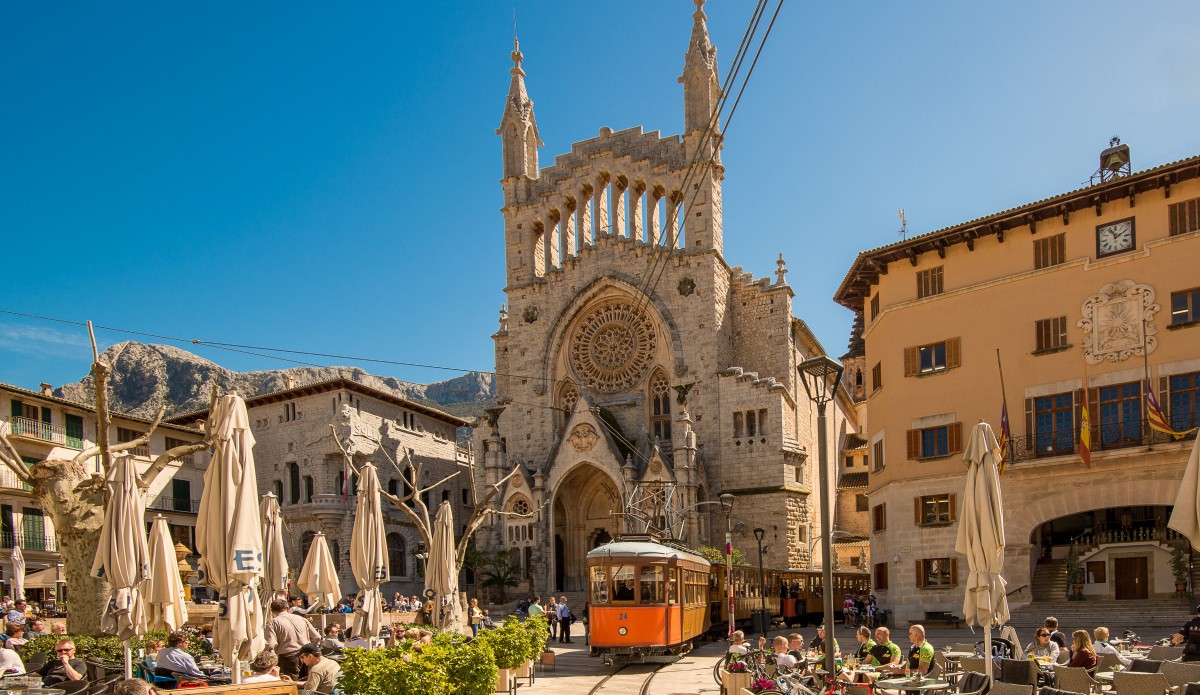
For the most balanced first cycling trip, Pollença is often the easiest base. For a more elevated mountain-and-lifestyle experience, choose Sóller. Deià is for travellers who want the most intimate version of Mallorca, while Palma works particularly well when cycling is part of a broader city-and-island escape.
4. The Best Routes for First-Time Visitors
Beginner: Mallorca's Interior Villages
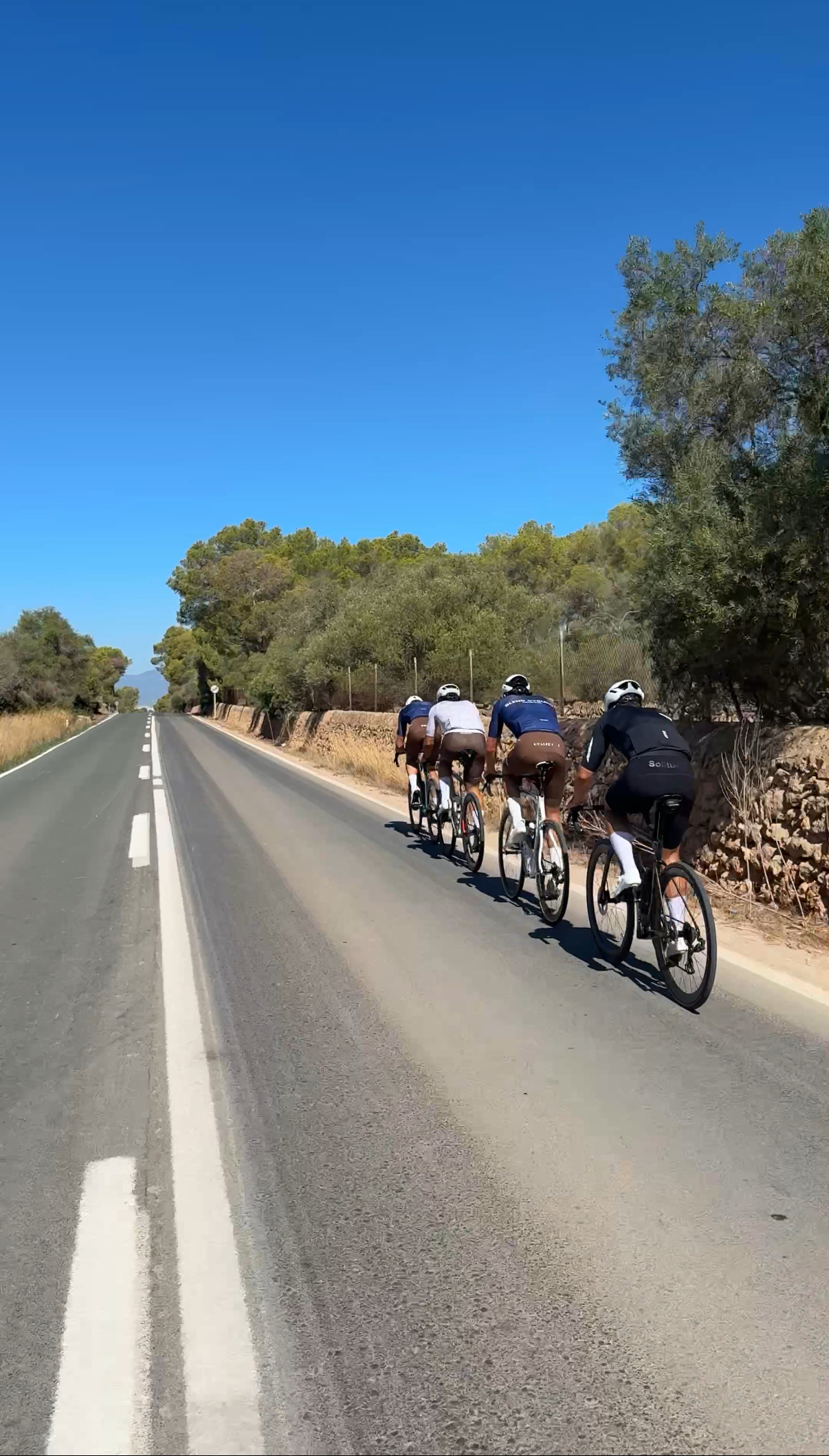
The interior is where first-time visitors gain confidence. Roads are generally quieter, gradients are manageable, and there is always a village café worth riding towards.
A classic route can connect Santa Maria, Alaró, Binissalem and Sineu, with rolling terrain, dry-stone walls and open countryside. Another excellent option is the south-east around Llucmajor, where you can build an easy coastal or inland loop without committing to major climbs.
These rides are not "lesser" Mallorca. They are the island at its most authentic: unhurried, warm and quietly beautiful.
Intermediate: Cap Formentor and Coll de Femenia
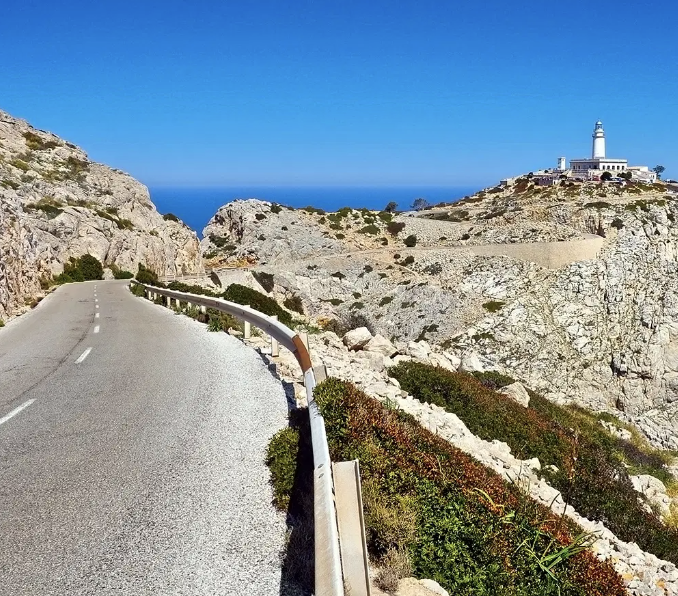
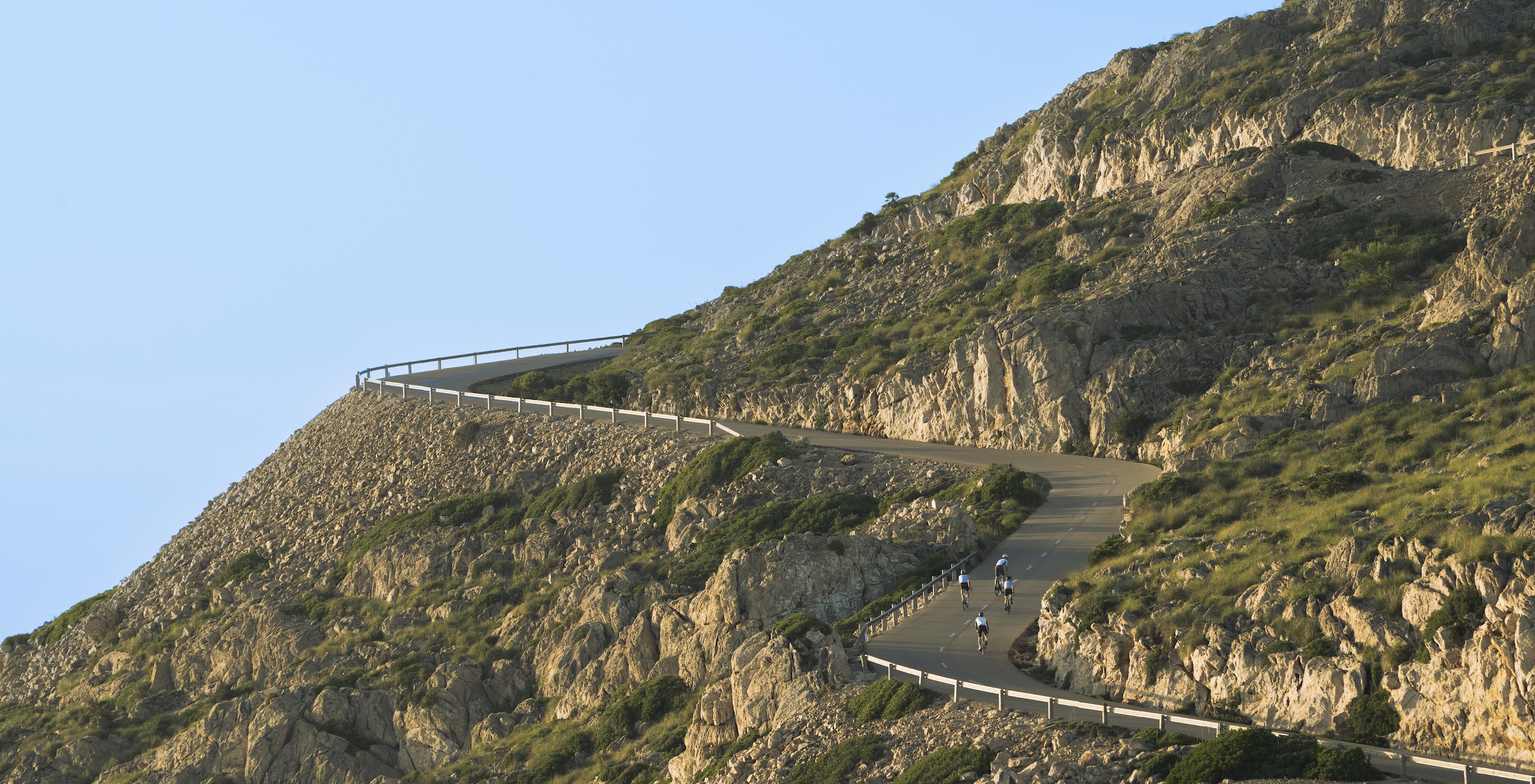
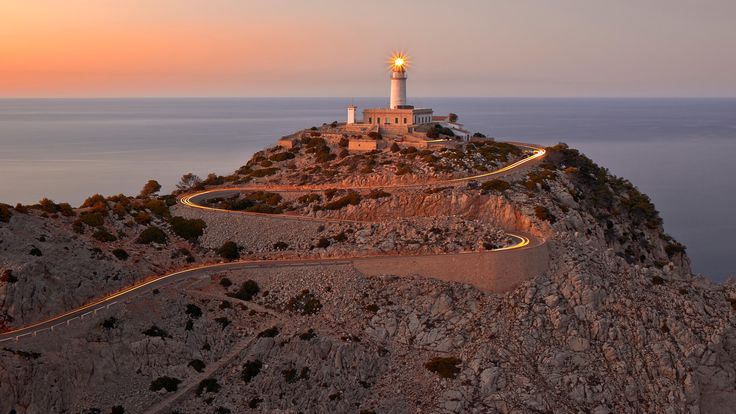
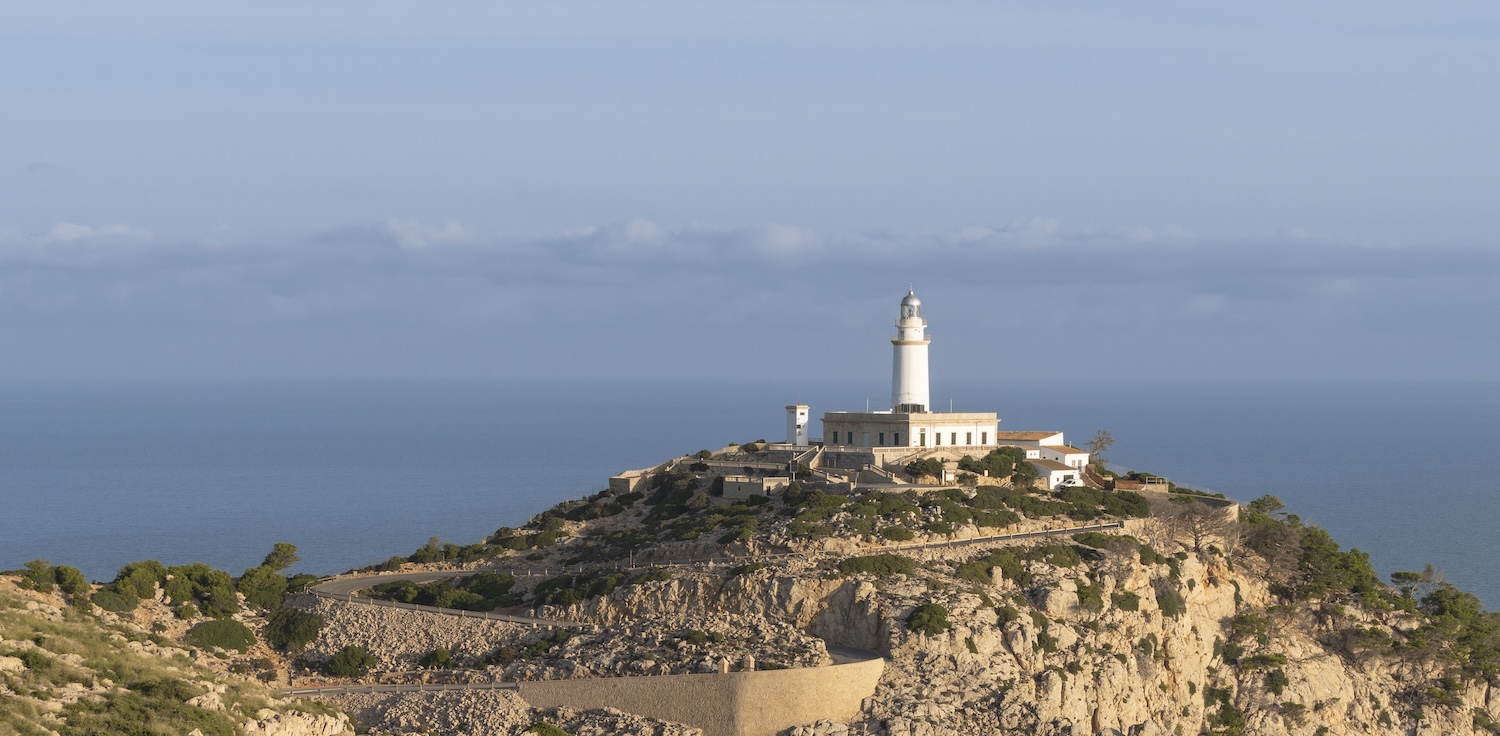
For riders ready to add climbing and drama, the north is the natural next step. The ride to Cap Formentor is one of Mallorca's essential experiences, especially early in the morning when the light is soft and traffic is lower.
Coll de Femenia is another ideal first Tramuntana climb: long enough to feel significant, but manageable with a sensible pace. It also opens the door to Lluc and the northern mountain roads without making the day all about suffering.
Advanced: Sa Calobra, Puig Major and the Tramuntana
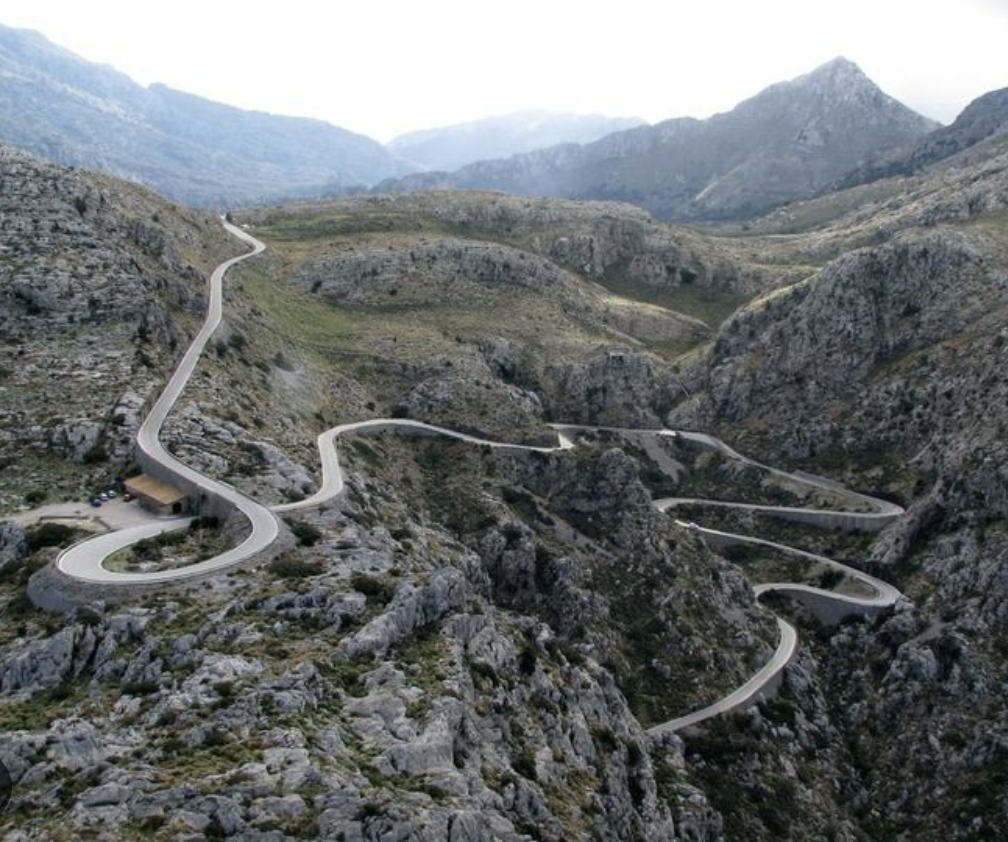
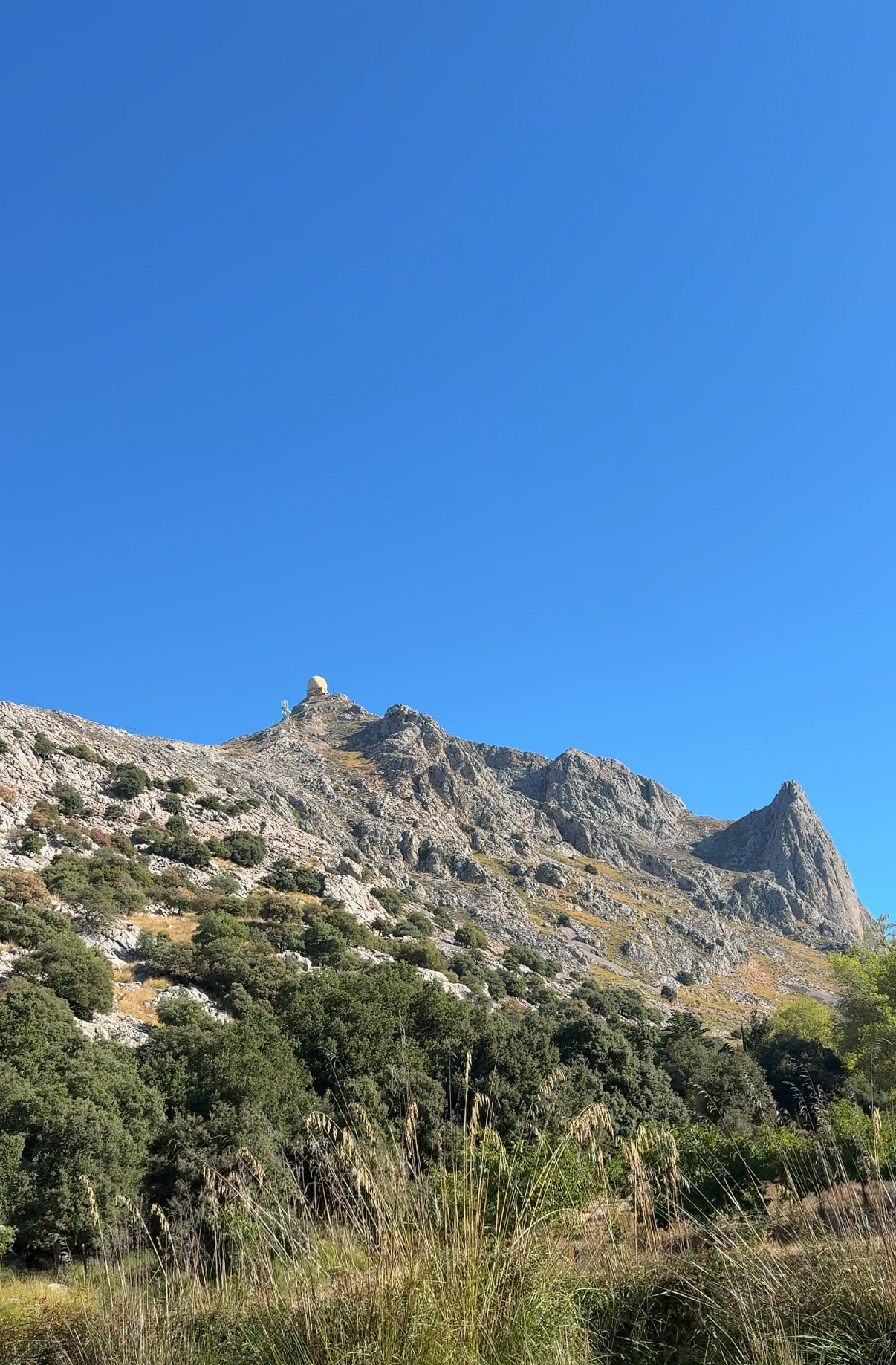
Advanced riders can build unforgettable days in the Tramuntana. Sa Calobra is iconic for a reason, but it deserves respect: it is a serious descent into the sea followed by a sustained climb back out, often in heat and with traffic.
Puig Major adds a longer, more sustained mountain effort, while a full Tramuntana route can link places such as Pollença, Lluc, Sóller, Deià and Valldemossa. These are big, rewarding days—but they require fitness, fuelling, weather awareness and realistic pacing.
5. How Difficult Is Cycling in Mallorca?
Mallorca can be as easy or as hard as you make it. The island offers forgiving inland terrain, but the Tramuntana is real mountain riding: sustained climbs, technical descents, exposed sections and changing weather.
The main factors to consider are:
- Elevation: A route can look short on a map but include more climbing than expected.
- Wind: Coastal and open inland roads can become demanding when the wind picks up.
- Heat: Spring sunshine can feel mild at breakfast and intense by midday, particularly on exposed climbs.
- Curves and descents: Tramuntana roads require concentration. Descend within your ability, especially if the road is damp, shaded or busy.
- Traffic: Most drivers are accustomed to cyclists, but roads are still public roads. Expect coaches, rental cars, local traffic and occasional narrow sections.
The mistake is assuming Mallorca is either entirely easy or entirely extreme. It is a flexible destination, but route design matters. A well-planned itinerary makes the island enjoyable at almost every level.
6. Bike Rental, Bike Fit and What Bike to Choose
A high-quality rental bike can make the difference between a good holiday and a frustrating one. Reserve in advance during spring and autumn, especially if you need a particular size, premium frame, electronic groupset or e-road bike.
Choose your bike based on your trip, not just what you ride at home:
- Road bike: The best choice for classic Mallorca road routes, mountain climbs and long-distance riding.
- E-road bike: Ideal for mixed-ability couples or groups, riders returning after time off, and anyone who wants to enjoy the Tramuntana without turning every day into a performance test. Medfeel's own Mallorca Easygoing E-Bike Tour is built around exactly this idea.
- Gravel bike: Best for travellers who want flexibility, quieter lanes and occasional unpaved sections, rather than a purely road-focused week.
Before confirming a rental, check frame size, saddle preference, pedal compatibility, tyre width, gearing, insurance terms and whether the bike can be delivered and collected at your hotel. A proper bike fit is worth organising if you are riding several consecutive days.
7. Road Etiquette and Cycling Safely
Mallorca has a strong cycling culture, but good relationships with local residents depend on how visitors behave.
- Ride predictably and hold a steady line.
- Move into single file on narrow roads, blind bends and busy sections.
- Keep groups compact rather than spreading across the road.
- Do not stop in the middle of a lane for photos, navigation or mechanical issues.
- Give pedestrians space in villages and slow down through busy town centres.
- Wave or nod when drivers wait patiently. It costs nothing and it matters.
- Use lights when riding early, late or through tunnels.
- Treat the Tramuntana as a public mountain road, not a closed race circuit.
The best riders are not necessarily the fastest. They are the ones who make everyone around them feel safe.
8. What to Pack for Cycling in Mallorca
Mallorca can change quickly between coast, valley and mountain. Pack for self-sufficiency and changing conditions.
- Spare inner tube, tyre levers, mini pump or CO2 inflator.
- Multi-tool and a quick link compatible with your chain.
- Two bottles for longer rides, particularly in warmer months.
- Sun cream, including the back of the neck, ears and hands.
- Lightweight gilet or windproof layer for descents and early starts.
- Arm warmers or a packable rain layer in spring and autumn.
- Offline maps downloaded to your phone or bike computer.
- Some cash for small village cafés and bakeries.
- A portable battery if you rely heavily on navigation.
- Swimwear if your route includes a coastal stop.
Do not assume that every rural stretch has reliable phone signal, a water refill point or an open café exactly when you need one.
9. The Local Rhythm: Coffee, Lunch and Recovery
The most memorable Mallorca rides are rarely the ones with the highest average speed. They are the ones with a clear rhythm: ride early, stop well, eat properly and recover without rushing.
Make the café stop part of the route. A coffee in a village square is where the day shifts from exercise to experience. Choose a bakery, order something local, refill bottles, look at the route again and take ten minutes longer than you planned.
After the ride, recovery can be simple: a swim, a hotel spa, a quiet terrace, lunch with good olive oil and local produce, then an unstructured afternoon. Mallorca gives you permission to slow down. That is not lost training time; it is part of why people return.
10. How to Plan a Five-Day Cycling Week
A first Mallorca cycling week should have variety. Avoid scheduling five hard days in a row, even if everyone in the group arrives motivated.
Day one: Arrival and Orientation Ride
A short, easy route to settle into the bike, check position and get familiar with the roads.
Day two: The Big Mountain Day
Choose Sa Calobra, Puig Major or a substantial Tramuntana loop depending on the group's level.
Day three: Recovery Through the Interior
Ride rolling roads through villages such as Alaró, Santa Maria, Sineu or Binissalem. Keep the pace social.
Day four: Scenic Coast or Northern Classic
Ride Cap Formentor, Coll de Femenia or a coastal route with time for a proper lunch or swim.
Day five: Flexible Final Ride
Keep this adaptable. Some riders may want one last climb; others may prefer coffee, easy kilometres and time to enjoy the hotel before departure.
This structure gives each day a different mood while leaving enough space to respond to weather, fatigue and the unexpected discoveries that make a cycling holiday feel personal.
11. What Locals Wish First-Time Riders Knew
- Start earlier than you think. The island is calmer, cooler and more beautiful before late morning.
- Sa Calobra can wait. It is more enjoyable when your legs, bike setup and confidence have settled in.
- Coll de Femenia at sunrise is special. The roads are quieter, the light is exceptional and the climb feels entirely different.
- Do not skip the interior. Mallorca's village roads are often where visitors find the island's real character.
- The weather changes in the mountains. A warm coastal morning can become cool and windy near Lluc or on exposed descents.
- Drivers remember behaviour. Ride courteously, thank people who wait, and leave a good impression.
- Book the good restaurants. Deià, Sóller and the north can be busy in season, especially on weekends.
- Leave time for a swim. Cala Tuent, Port de Pollença, Cala Deià and many smaller coves can turn a great ride into a complete day.
- Do not over-plan every hour. Mallorca is at its best when there is room for an unplanned café, a longer lunch or a detour that looks too good to ignore.
Riding it all yourself, day by day, is one way to do it. If you would rather arrive and simply ride — proper bikes, hotels already chosen for exactly this route, a guide who knows which café to stop at — Medfeel's Mallorca Easygoing E-Bike Tour follows this same first-timer logic over seven days, three hotels and 260 km — built specifically for a first Mallorca cycling holiday, not a training camp.
Frequently Asked Questions
How many days do I need for a first cycling holiday in Mallorca?
Seven days with five riding days is the sweet spot: enough to ride Sa Calobra, Puig Major, Cap de Formentor and the west coast without rushing, and it still fits into one week off work — the shape of our Signature Mallorca Bike Tour. Five days with three riding days is a solid first trip, and two riding days from one hotel is the practical minimum. Our guide to how many days you need in Mallorca compares every length.
What's the difference between a 5-day and 7-day cycling tour in Mallorca?
A 5-day tour, like Medfeel's Classic Mallorca Bike Short Tour, covers around 330 km and 3,290 m across 3 riding days from 2 hotel bases — it adds Puig Major but skips part of the west coast.
A 7-day tour, like the Signature Mallorca Bike Tour, covers around 430 km and 4,610 m across 5 riding days from 3 hotel bases — the full Tramuntana, Sa Calobra included as an option, with a proper recovery day built in.
How should I plan rest days?
Plan one easier or rest day for every three to four riding days. On a seven-day trip a reliable pattern is ride – ride – ride – easy or rest – ride – ride – travel: one recovery day around the midpoint keeps your legs fresh for the queen stage later in the week and lowers injury risk across a mountainous week in the Tramuntana. Our seven-day itinerary guide shows it day by day.
Can I do Sa Calobra and Cap de Formentor in the same trip?
Yes — and you don't need a full week to hit both. Seven days is, however, the first duration with enough riding days to do them comfortably on separate days rather than forcing them together.
Our recommendation: don't try to ride Sa Calobra and Cap de Formentor on the same day unless you're prepared for 160+ km and 3,500+ m of climbing. Split them across two days and enjoy each climb properly instead of racing the clock.
How many days should I plan if I'm not a strong climber?
Focus on days, not difficulty. The 7-day Easygoing E-Bike Tour covers less total distance (around 260 km) than the 5-day Classic tour (330 km), because the extra time buys a gentler daily pace rather than more mileage.
Our recommendation: if you're not a strong climber, use an e-road bike or shorten your daily rides to 50–60 km with modest elevation. You'll still see the best of it — the Sóller valley, the west-coast villages, Cap de Formentor — without turning every day into a survival ride.
Can I cycle around Mallorca in a week?
Yes. The island's perimeter is roughly 300 km, so a full loop is possible in four long days or seven easier ones — Medfeel's Epic Island Cycling Loop is built around exactly that. Most riders, though, prioritise the Tramuntana mountains over a full perimeter loop on a first trip.
How many days in Mallorca if I also want to visit Palma and beaches?
For a mixed trip — city, cycling and beaches — aim for 7 to 10 days: 2–3 nights in Palma, 2–3 nights in a Tramuntana base such as Sóller or Deià, and 2 nights on the southeast coast. For a cycling-only trip, 5–7 days is enough for the core routes.